It has been so much fun reflecting on the garden project in Suffolk and it is a good example of the process of a landscape design project from start to finish. It’s now just over three years since the project was completed but of course the development of the plants is just beginning. From the outset the decision was made to add plants gradually over time and truly enjoy the process of adding to the plant design as we went. It’s important to have a clear vision from the outset of how you want the garden to look and feel, but how you achieve that vision is the fun exploratory part and takes time. Unlike interior design, where paint, fixtures and furnishings are brought together to create a static space; a garden is ever changing and at the whim of weather, soil, and human intervention amongst other things.
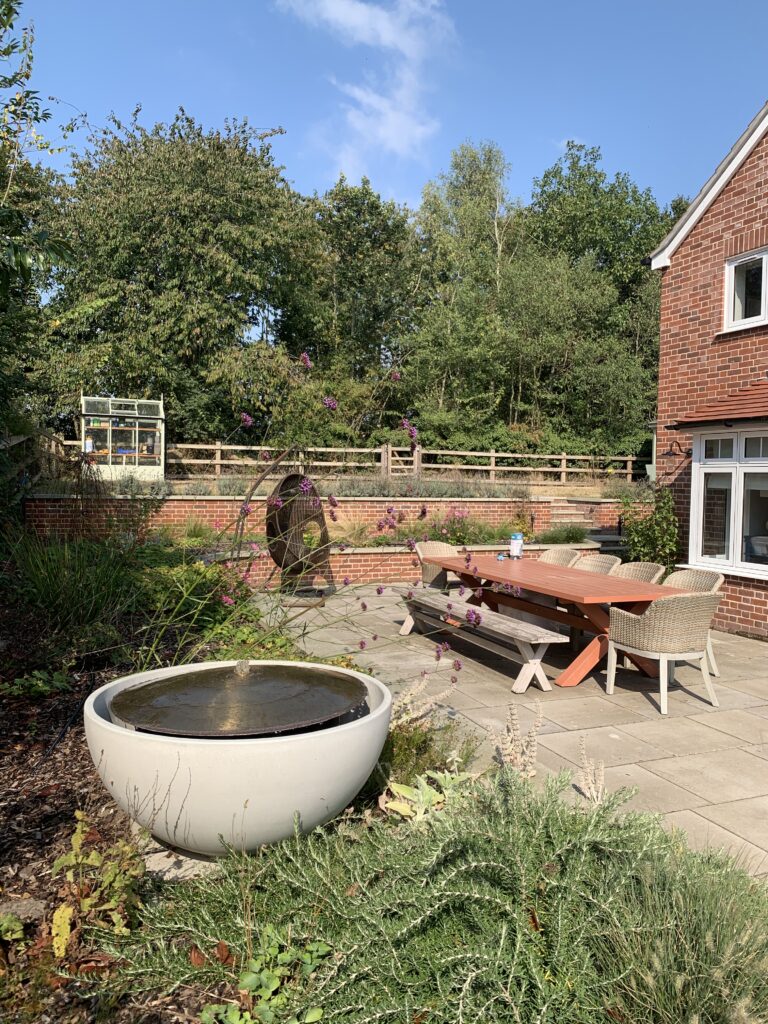
As a reminder for those of you new to this blog, we have owned a Victorian cottage in Suffolk, England for over 17 years now. With the children all now adults it was time to extend the space in the house and use that opportunity to rethink the garden. The vision was to create a traditional low maintenance cottage garden incorporating native plants, connecting indoor spaces to the outdoor and a garden complimentary to the protected heathland surrounding the property. The previous blogs have taken us through the entire process of garden design:
- Vision for the garden – how do you want the garden to look and feel?
- Site analysis – what exists now, strengths/weaknesses?
- Wish list for the garden – what are the must haves?
- Site Design program – using the analysis, create a design program
- Plant design – create a list and layout of plants
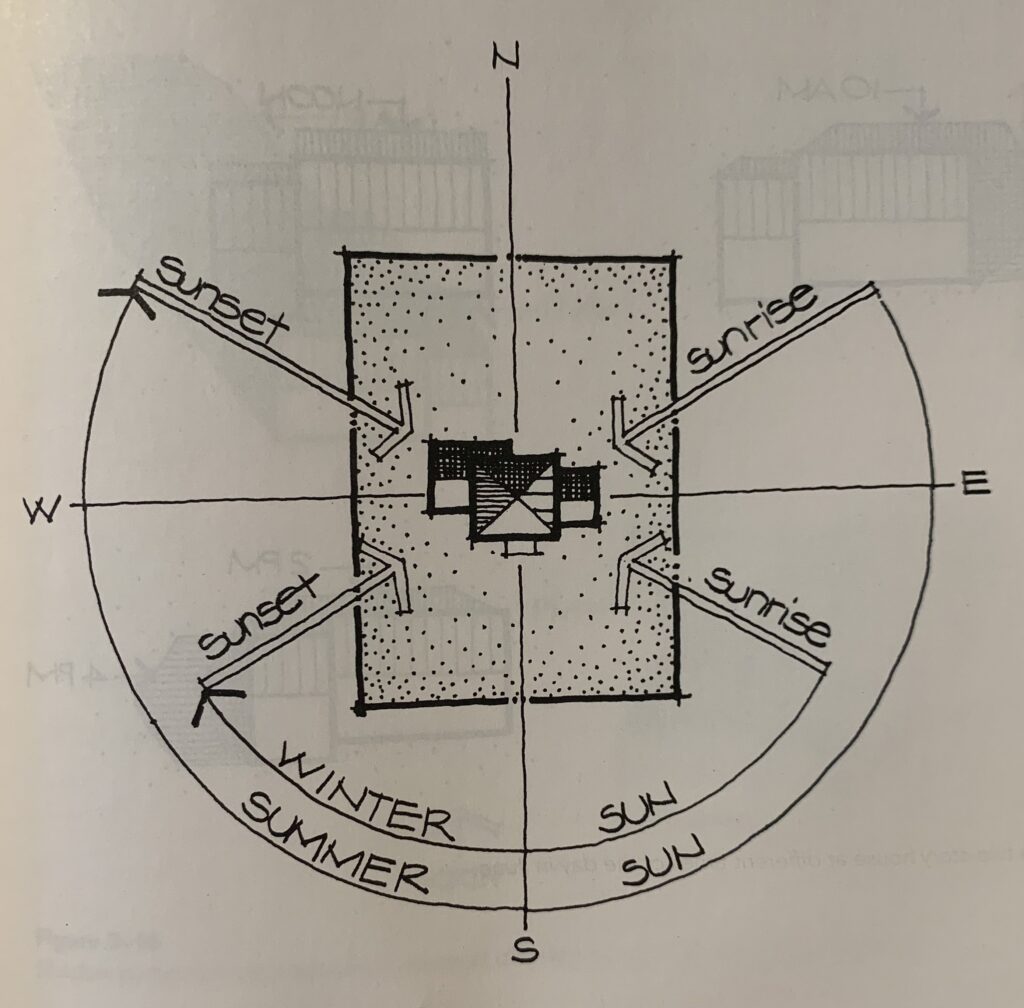
The final part of the design process is the plant install. All those ideas, notes, research come together to create a hardscape and plant install plan. We had some fabulous contractors to work with on the hardscape construction and since we managed the project from NYC we relied on our architect and contractor to work through the construction elements based on the detailed layout plan.
The plants were a bespoke and personal part of the project. My time learning landscape design at the NYBG and subsequent design work in the city, have made me realize that it is plant design where my passion lies. I love growing, nurturing, researching and planting plants. The colors, textures, growing habits and sometimes fragrances of plants are fascinating to me. I love shrubs, trees and annuals but I honestly think it’s perennials and biennials that I find most interesting. The Suffolk project created a wonderful opportunity to design and plant from scratch. In the last blog I described how we decided upon the plant plan and how the layout was created.
The next stage was to source plants, which isn’t always as simple as it sounds. The list consisted of a combination of native and exotic plants and I was keen to experiment with small plants and/or plugs. Growing native plants at the Gowanus Conservancy was an eye opener to me. It helped me understand why so much of the cost of buying a plant is about the growers time and energy growing a plant that is large enough to appeal to a buyer. In reality plugs do better in a garden if they are strong and healthy but it doesn’t mean you need to buy expensive plants. Plugs or small plants that have spent less time in a controlled nursery environment have to work harder to establish themselves which makes their root structure stronger and also less disease prone in the long term.
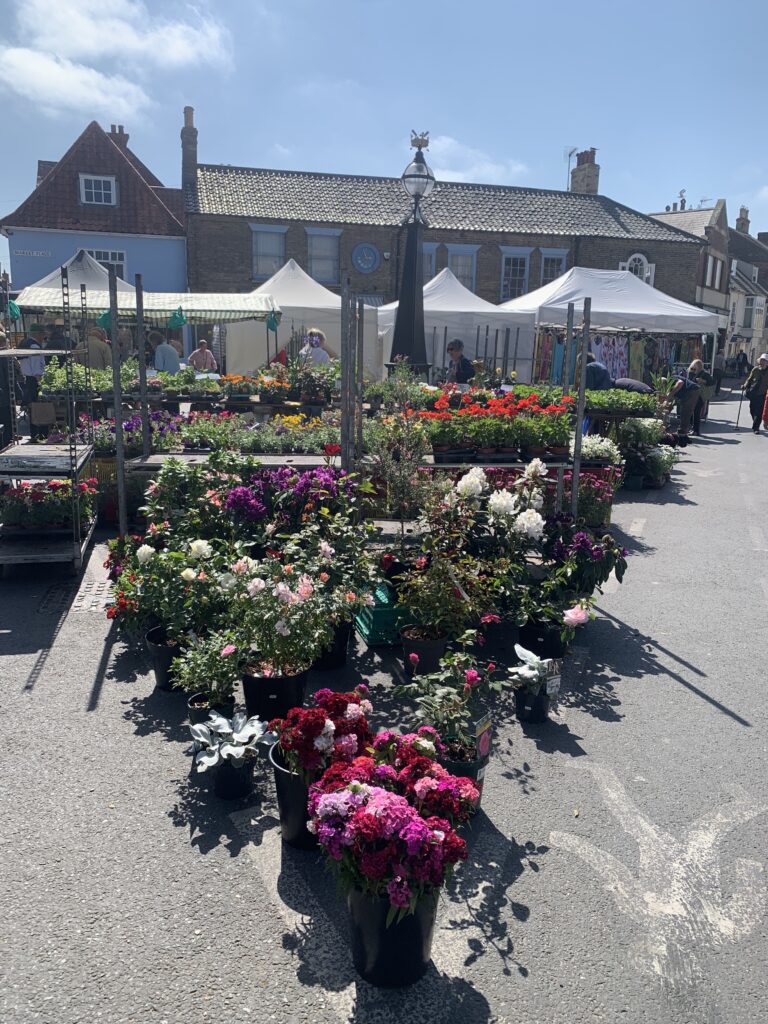
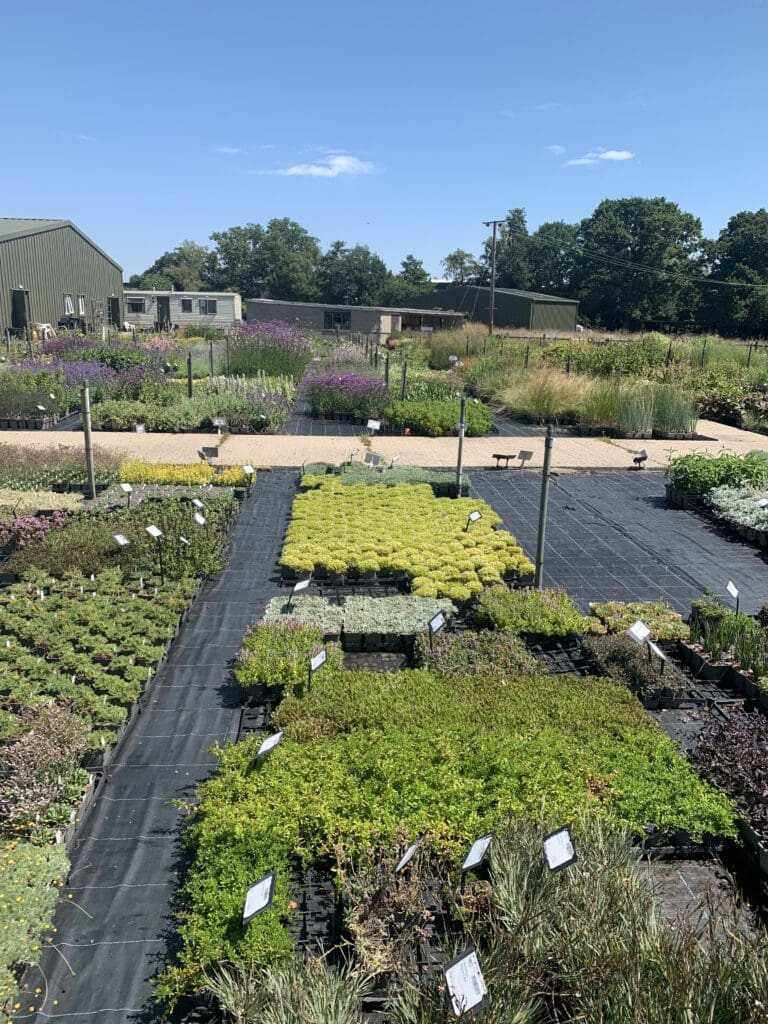
I have a few favourite plant sources in Suffolk
- Howards Nurseries a wonderful wholesale nursery in rural Suffolk, Howard Nurseries is one of the UK’s largest growers of perennials. They have been around over 50 years and I love that 100% of their field production is plastic free
- Beth Chatto Plants a retail nursery in Essex. The majority of all the plants they sell are propagated and grown on site offering over 2,000 varieties of plants, grouped into conditions, making it easier to find the plants that will suit your garden. You can buy in person, well worth the trip to visit the gardens, or buy online.
- Ladybird Nurseries a small family run nursery which also prides itself on growing the majority of plants on site. Wonderful collection of perennials, annuals along with shrubs and trees. Close to the lovely village of Snape, also worth a visit. Ladybird Nurseries is a family run business which is now in its third generation. Over 90% of the plants sold on the nursery are also grown on site. The Nursery has a strong local customer base.
One of the things I tell my clients, is that the quality of the plant is more important than the size. Buy your plants from a reputable grower and build a relationship with them. You can’t compare one plant to another based simply on the species. Plants are subcategorized into different varieties of the same species, cultivars and hybrids. These often have different characteristics, so it’s important to be clear about what particular variety or cultivar of plant you want for your garden.
The planting at Heatherside began in February of 2022. We started by planting bare root roses, most of which were sourced from David Austin. I particularly focused on repeat blooming roses because we don’t live at the house full time so ideally need year round interest.
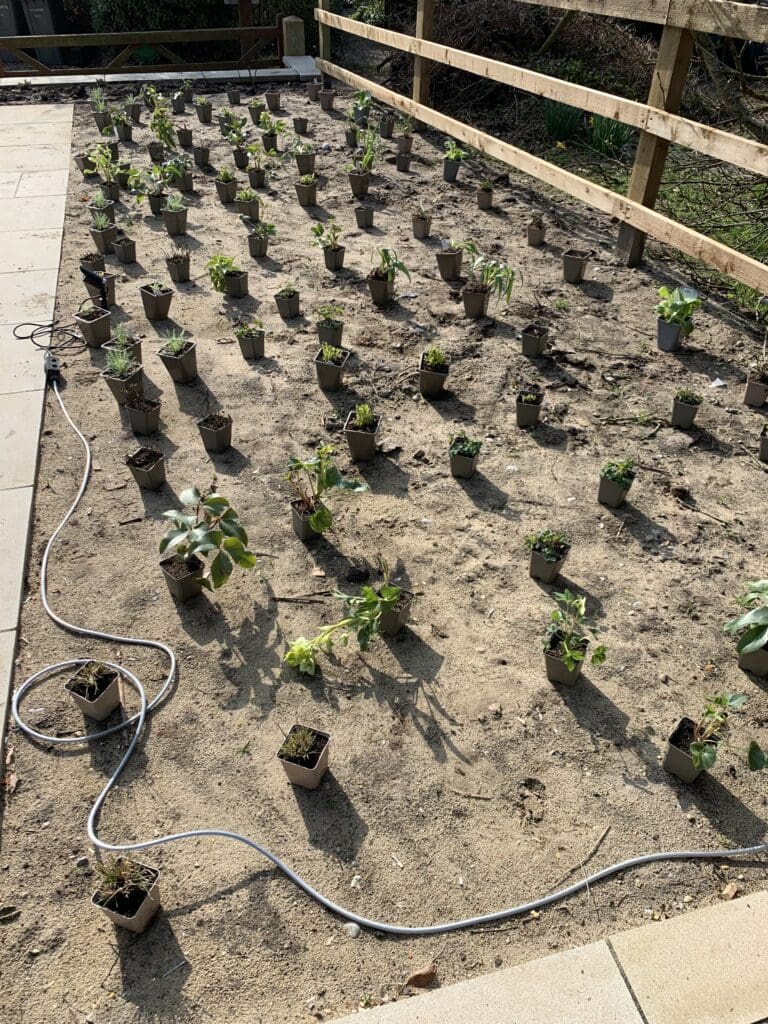
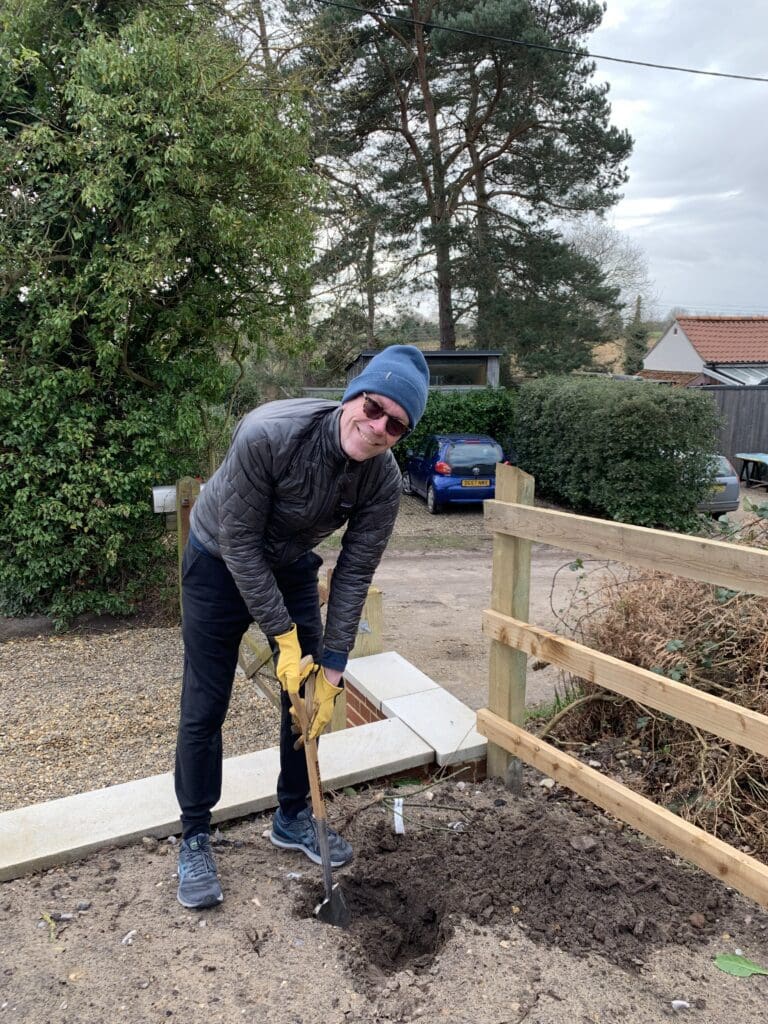
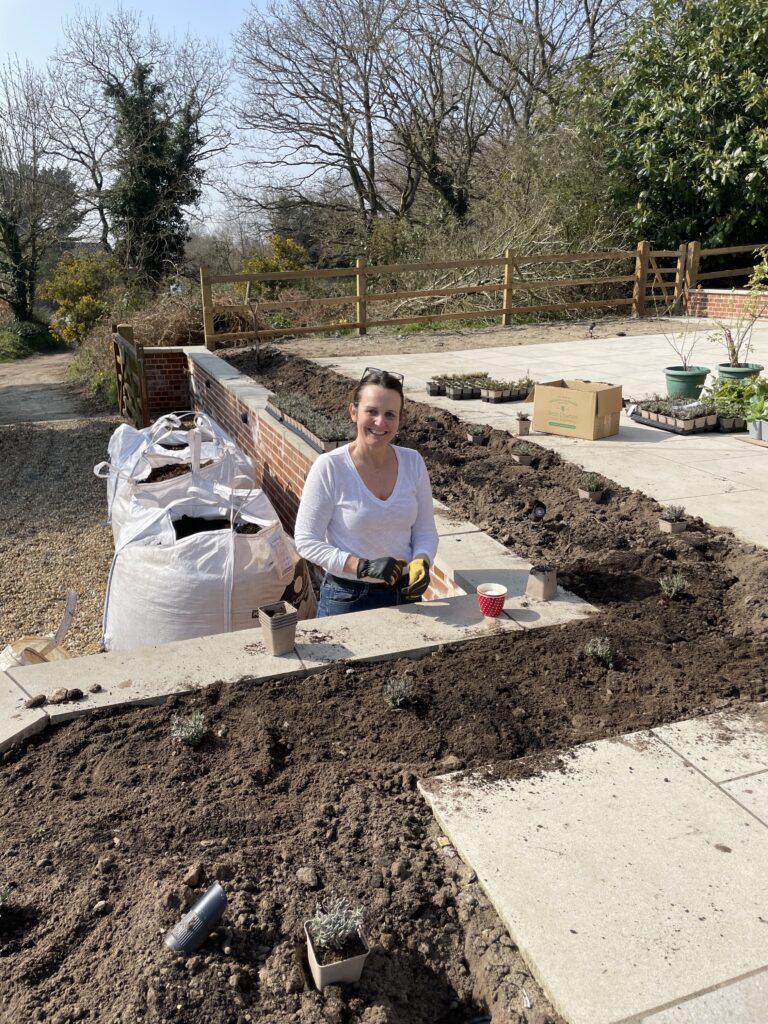
We decided to do the planting ourselves and the next visit was in March 2022, although it wasn’t without its challenges. We arrived from Scotland having visited our son at St. Andrews and 48hrs after arriving discovered that Richard had Covid. In that 48 hrs we managed to plant all of the front lavender bed and layed out planting for the beds we prioritized. Then my daughter, Lottie and I left for NYC in the hope she would avoid Covid and be able to return to school after spring break. Richard stayed in Suffolk hoping for a clear Covid test. It took 10 more days before he was able to fly back to the US. But that did leave him plenty of time to finish the planting we had started. As you can see, we used small plants or plugs from the wonderful nurseries I referred to earlier. The plants were healthy and we amended the soil by adding compost before planting began.
By the summer of 2022, the plants were thriving and beginning to establish a good root base. We added a layer of mulch and installed a very basic irrigation system for the first year or two. Irrigation is beneficial to establish plants, especially when you are not going to be able to water regularly. It’s likely we will take it out again once the garden is established.
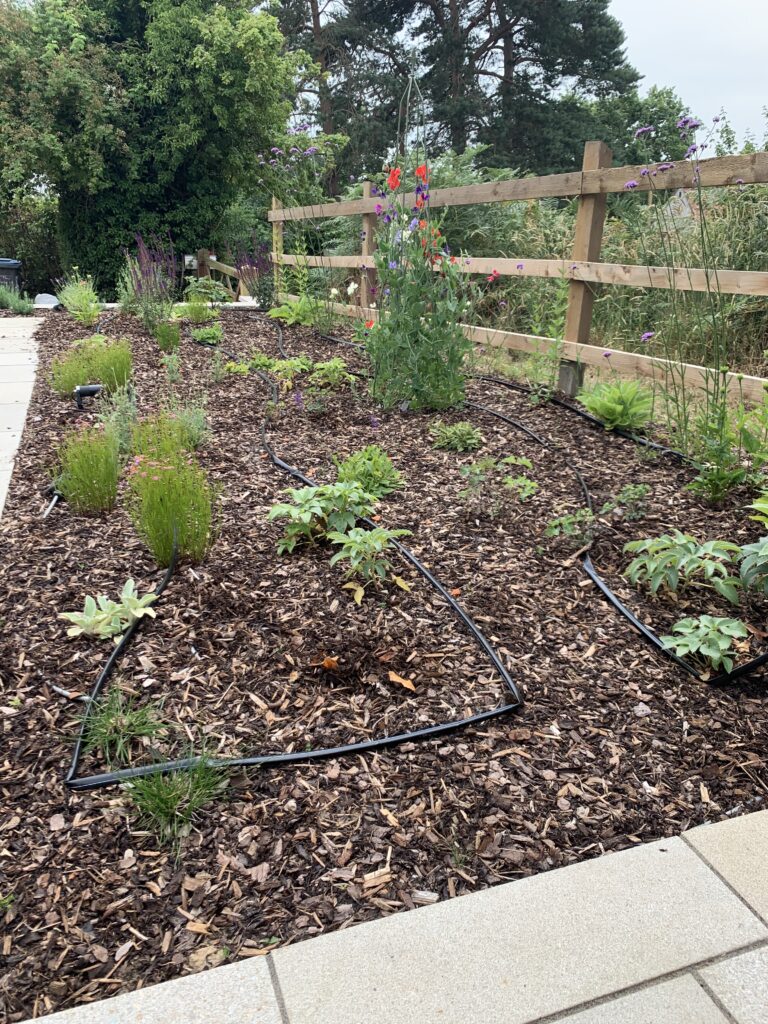
We prioritized the sunny beds in the main entertaining/eating spaces on the patio because there was so much bed space to be filled. Instant gardening can be great for a quick wow factor but again my garden experience has taught me gardening is a marathon not a sprint. Often quickly executed planting plans can come undone and so much of the fun is in exploration so take your time, see what works, duplicate it and move plants if you have to, before they become too established.
Visiting gardens as a source of inspiration is a great way to build your knowledge of plants and get ideas for plant combinations if you are creating a new garden. Later that summer we visited Bressingham Steam & Gardens which was where I got inspiration to add more grasses to the wall that led up to the terrace.
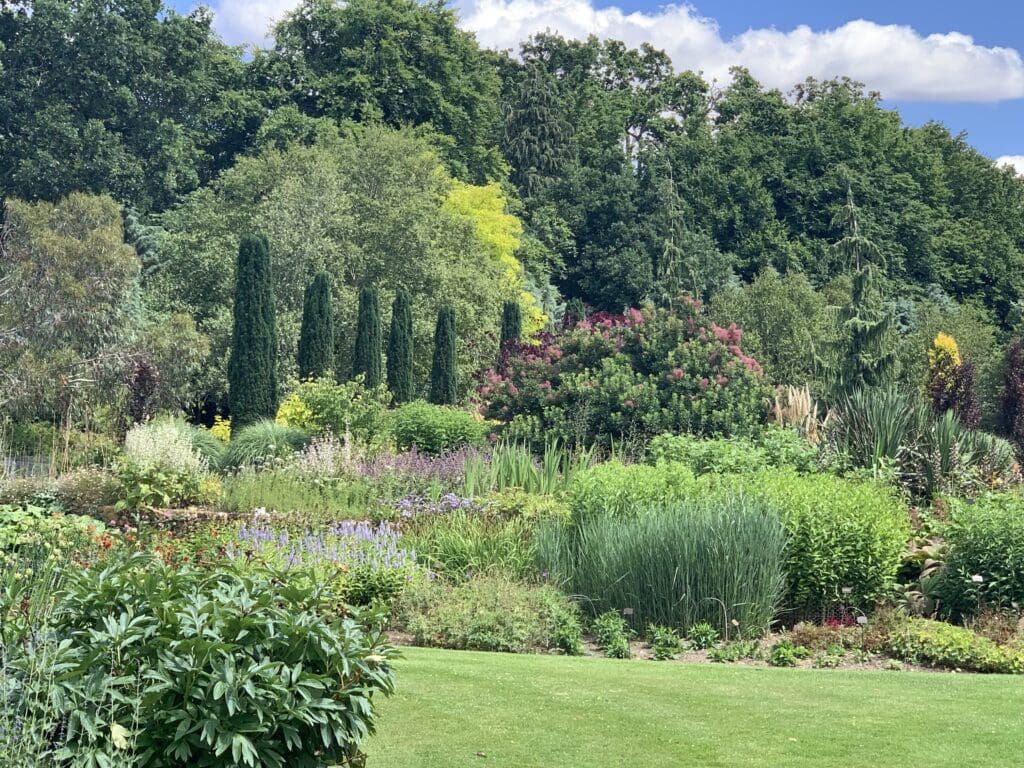
Nearly three years later the garden doing really well. Every visit I add more from the original planting plan or additional plants I think will do well now I understand the growing environment better. This summer I have been reflecting on what works well and what I might need to bolster in the fall to add year round interest.
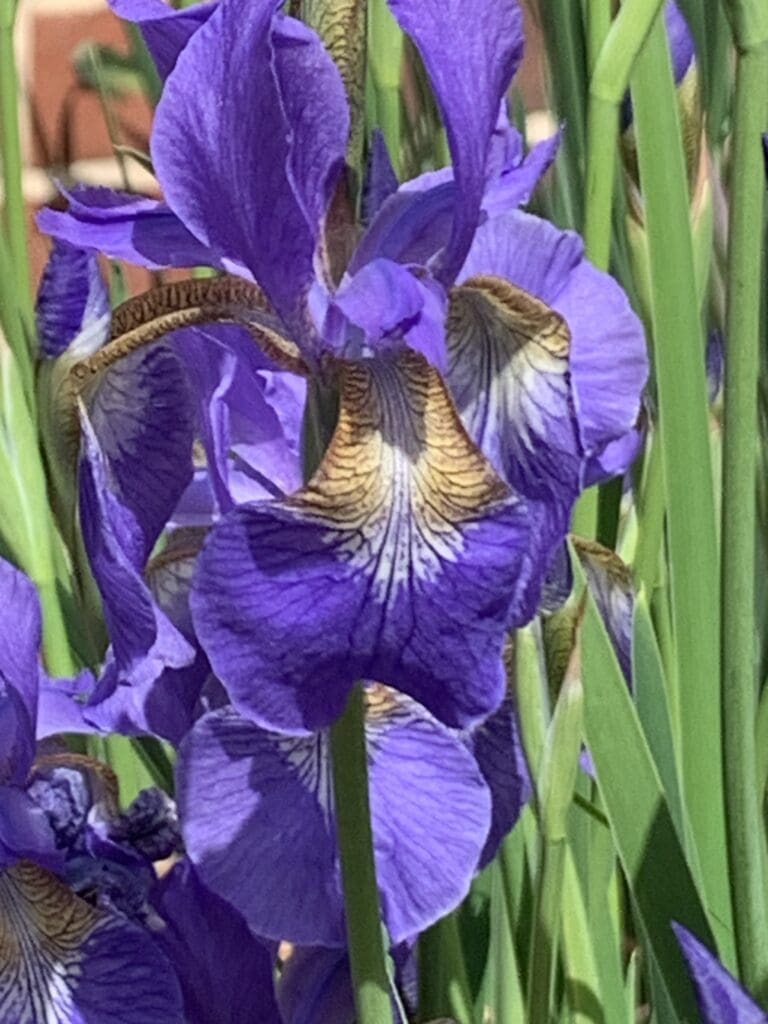
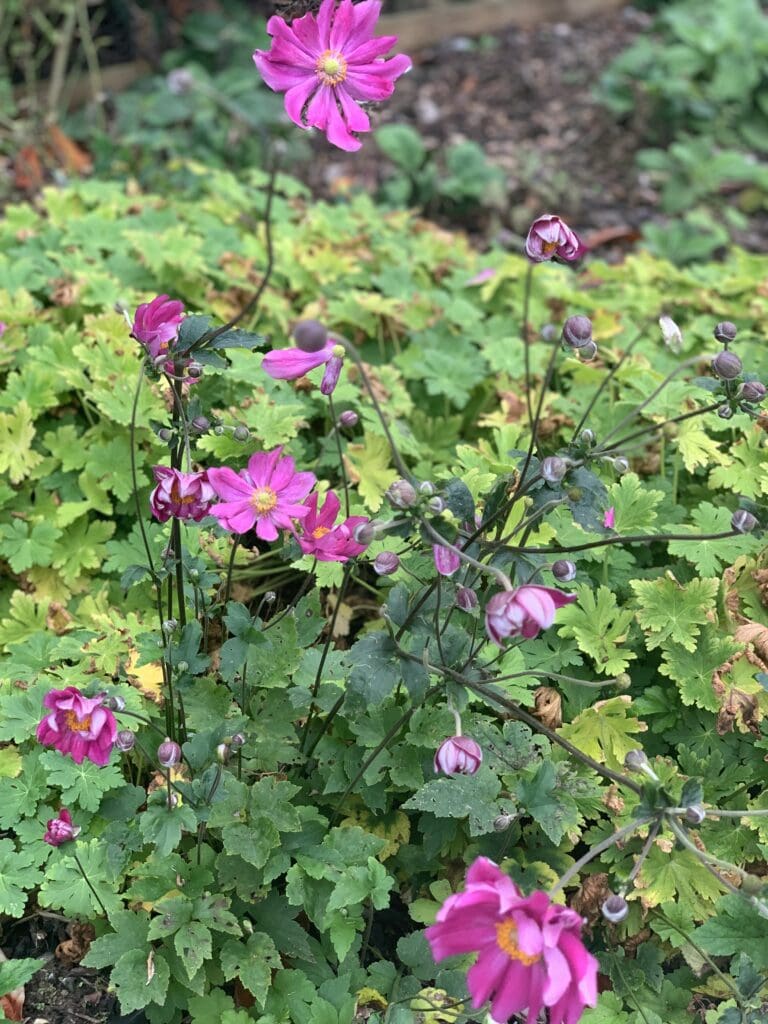
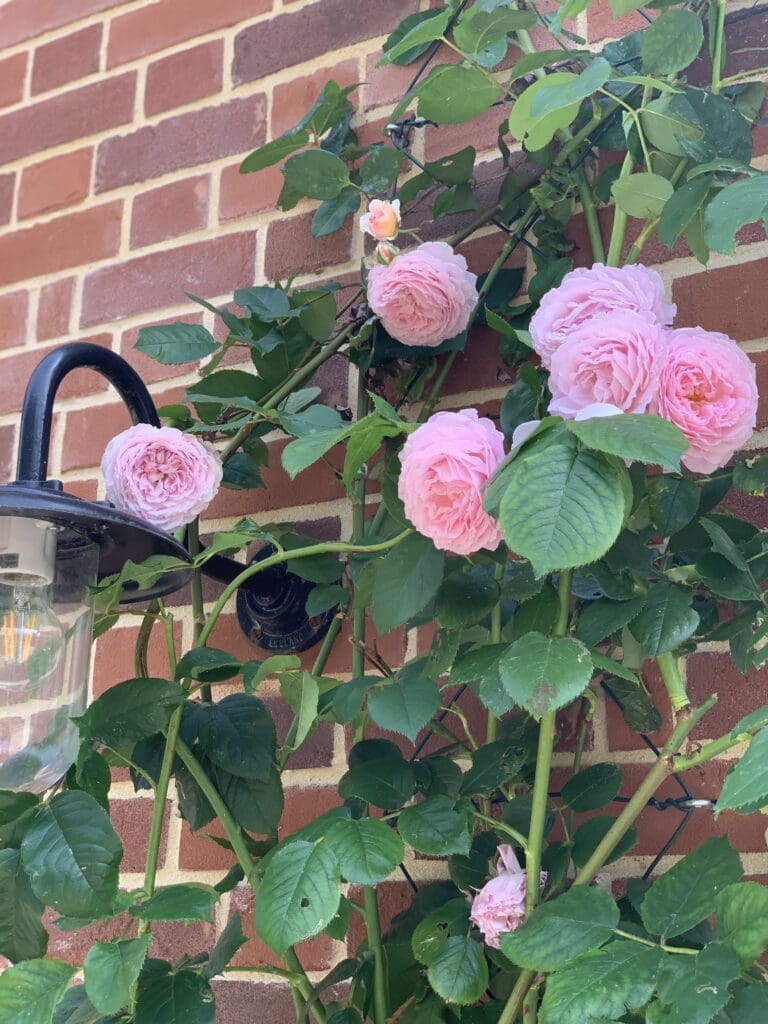
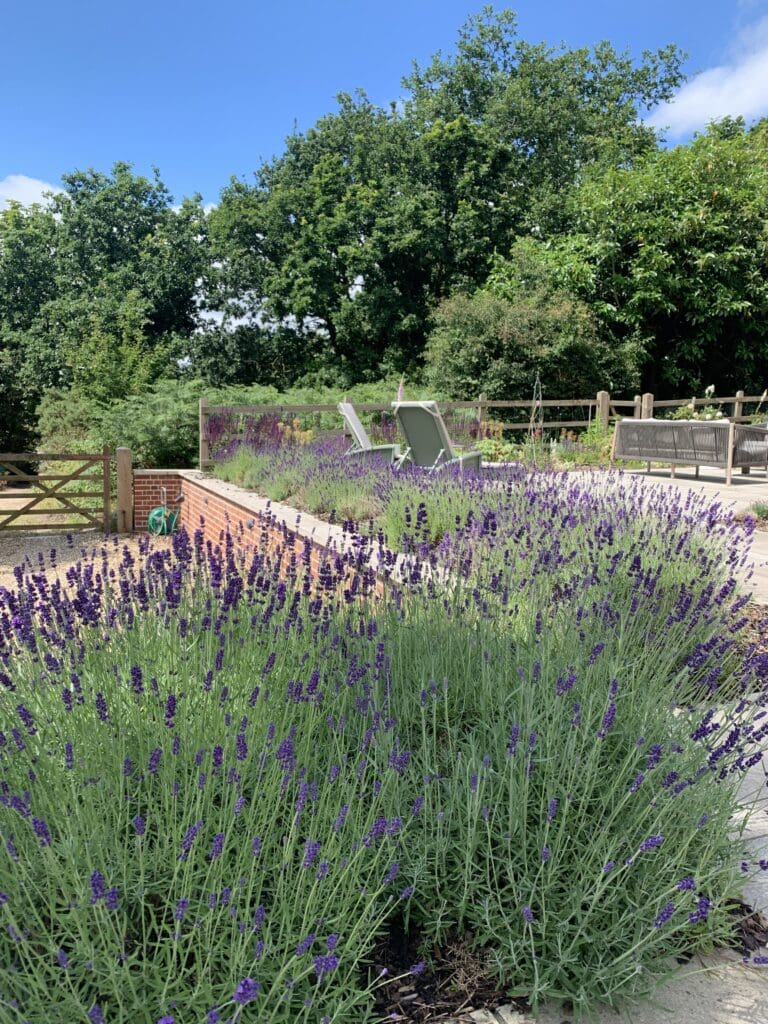
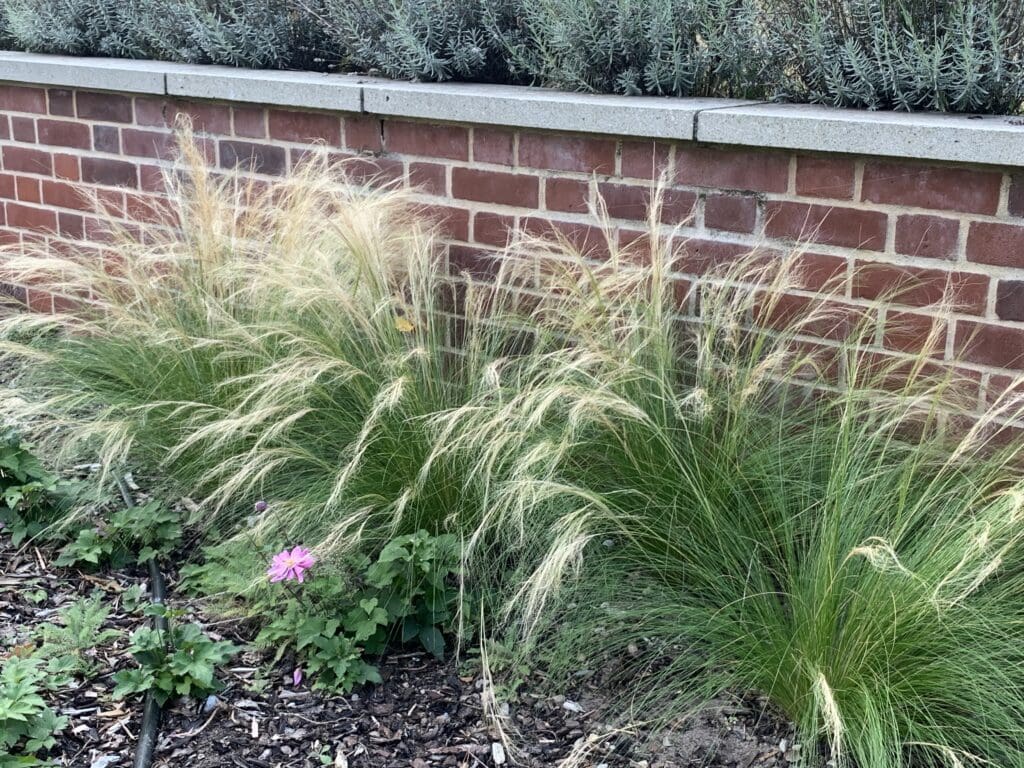
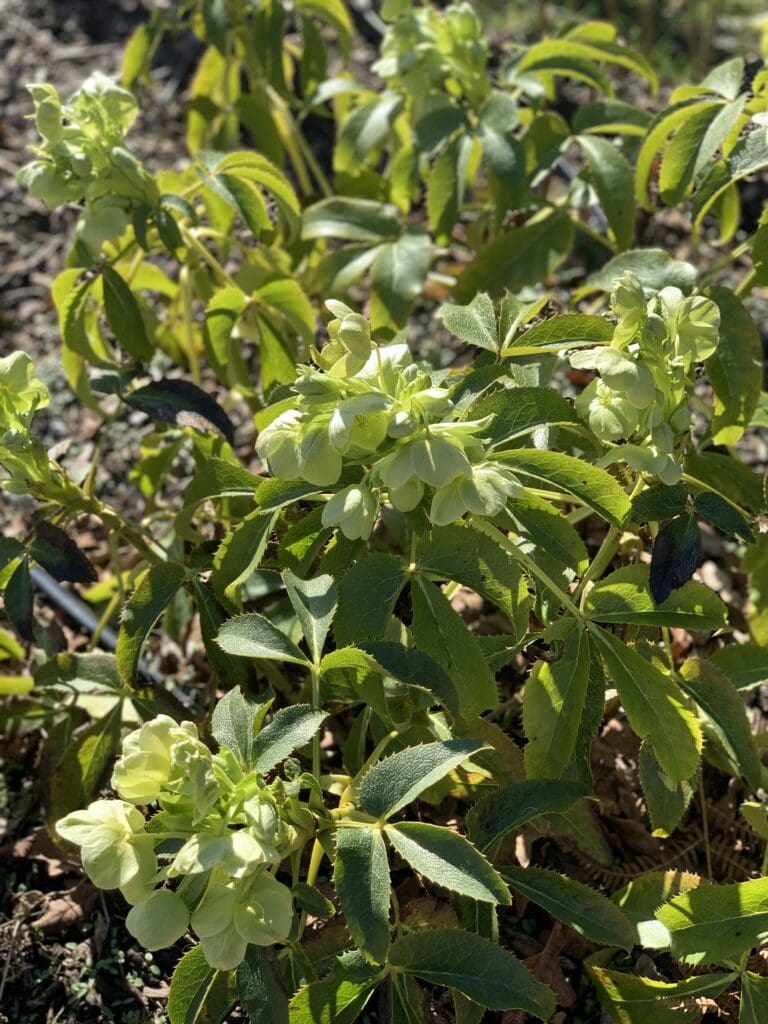
Which plants worked well?
All of the roses we planted have done really well. They seem to love the well drained soil and were planted based on individual varities specific sun/shade locations and habit which means in the most part they are happy and thriving. Lavandula angustifolia ‘Hidcote’ continues to thrive also. It was a sentimental pick to repeat lavender planting along the front of the house and its magical in the summer full of bees. Salvia rosmarinus ‘Foxtail’ is a stalwart of the front bed. Its long flowering spikes create structure and impact. Iris sibirica ‘Silver edge’ in the rear beds has also performed well. It blooms early summer and has real impact in mass in the back corner of the rear beds. We divided it last year and its started to do well in the shade beds along the north east side of the house. Helleborus argutifolius is an early arrival in spring and continues to flower right through into June. The leaves need removing to really see its impact but the new annual evergreen leaves add bulk to the bed through the whole summer once the blooms are spent. Stipa tenuissima was a later addition to the beds beneath the meadow and soften the new red brick wall. They move beautifully in the breeze and the color and texture is unique to the garden. Finally the Anemone hupehensis var. japonica ‘Prinz Heinrich’ has a big impact late summer and early fall. The bright pink flowers are very cute when other blooms are fading. I do have to watch their spread, they spread by root and I pull multiple new plants out at this time of the year to be sure they don’t take over the garden. The majority of the plants already installed are doing well, I am sharing the plant list again here with specific quantities and locations to see what else we used.
Not every plant has done well Lupinus ‘Westcountry’ have not taken to the garden, Papaver triniifolium are thin on the ground and Clematis Nubia and Clematis The Vagabond, planted in containers by the front porch did not survive. I think its mostly because I am not here to maintain the garden full time. I have some help but it has suffered this year from the heatwave in the UK and I need to find more help to prune, water, fertilize, deadhead and move plants during the time of the year I am absent for a long period.
By the fall of 2022 it became clear we needed to work on the meadow area at the top of the garden and add a greenhouse and summerhouse. Take a look at the next Suffolk blog where I will tell you more about the meadow experiment. I learnt a lot working with a local native plant nursery who specialized in meadow plant plugs. Meadows aren’t as easy as simply leaving the soil to grass, and utlimately the process depends on what kind of meadow you want to grow.
Your Garden Story. Here to help us all become gardeners and make the World greener.
If you have stories about your garden or would like more information about the plants listed in this blog please email info@yourgardenstory.com.
We would love to hear from you.