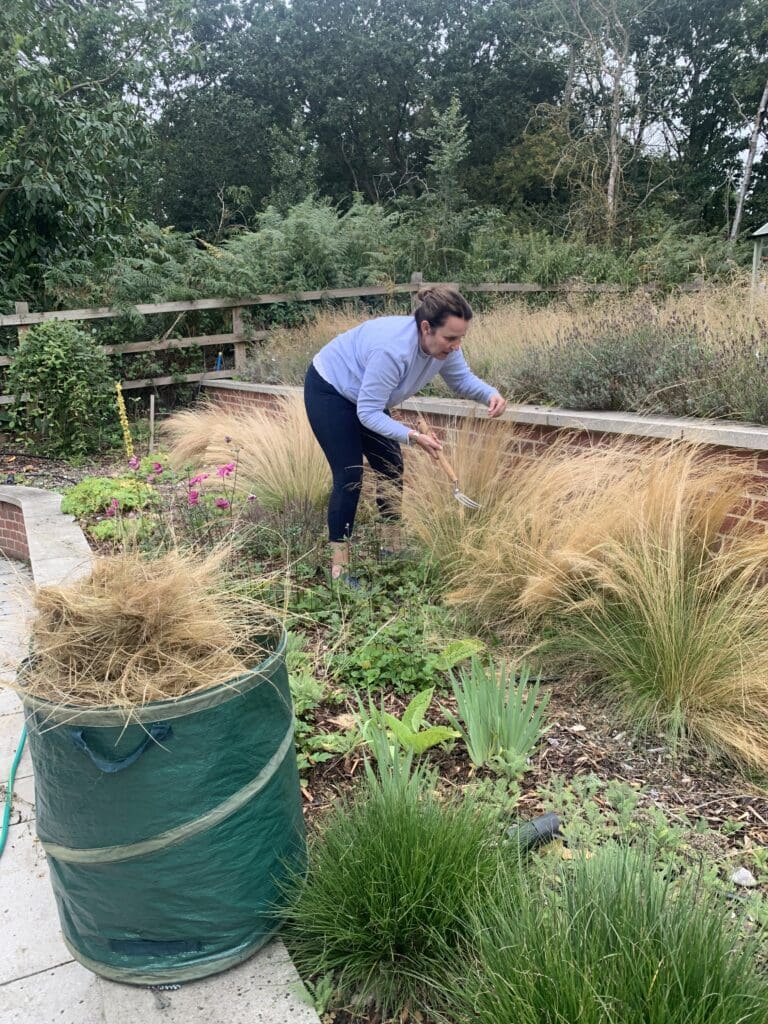
I love that gardens change all the time. I am drawn to gardening because of its endless possibilities and opportunities. We know for sure that our garden will look and grow differently every year and that the role of a gardener is to act as a guardian and facilitator of that change, for better or worse. Trends in gardens are just that: some are based on real, current issues like climate change, and others on personal trends and societal notions but I always find it interesting to read what other gardeners are doing.
A change in both climate and people’s lifestyles means we now expect more from our gardens. They need to meet the demands of biodiversity, sustainability and our personal well-being. Increasingly, we want a garden that has all-year-round interest, supports wildlife, yet can still create a beautiful place that is an extension of our home to host friends and family as we recognize the benefits of sunshine and being outside. So, as the snow finally melts in New York and CT let’s think ahead to the spring and summer and the trends that will impact our gardens and how we garden?
Wellness and mental health
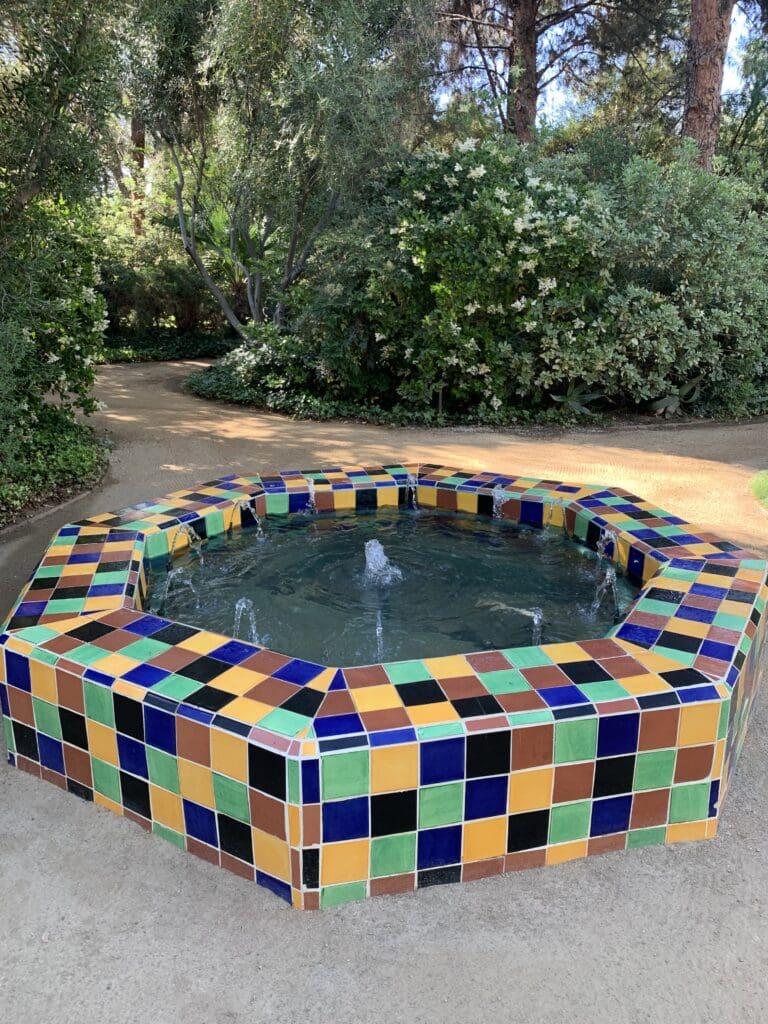
At both US and the UK garden shows, designers showcased gardens with outdoor spaces featuring outdoor showers, cold plunges, spas, small pools, saunas, and even meditation rocks, and the demand for water features that deliver on wellbeing benefits will continue into 2026. Wellness and mindfulness has taken over every avenue of our lives, and so it makes sense for it to take over our gardens, too. An outdoor shower is a particularly good option as it doesn’t require much space and suits a variety of settings. A water feature is also a great way to bring calming sounds and an added dynamic. The water feature in Suffolk is by Foras, a company based in Norfolk in the UK. It is positioned in the garden opposite the kitchen window as a focal point, creates a gentle bubbling sound and the birds love to take their morning shower there.
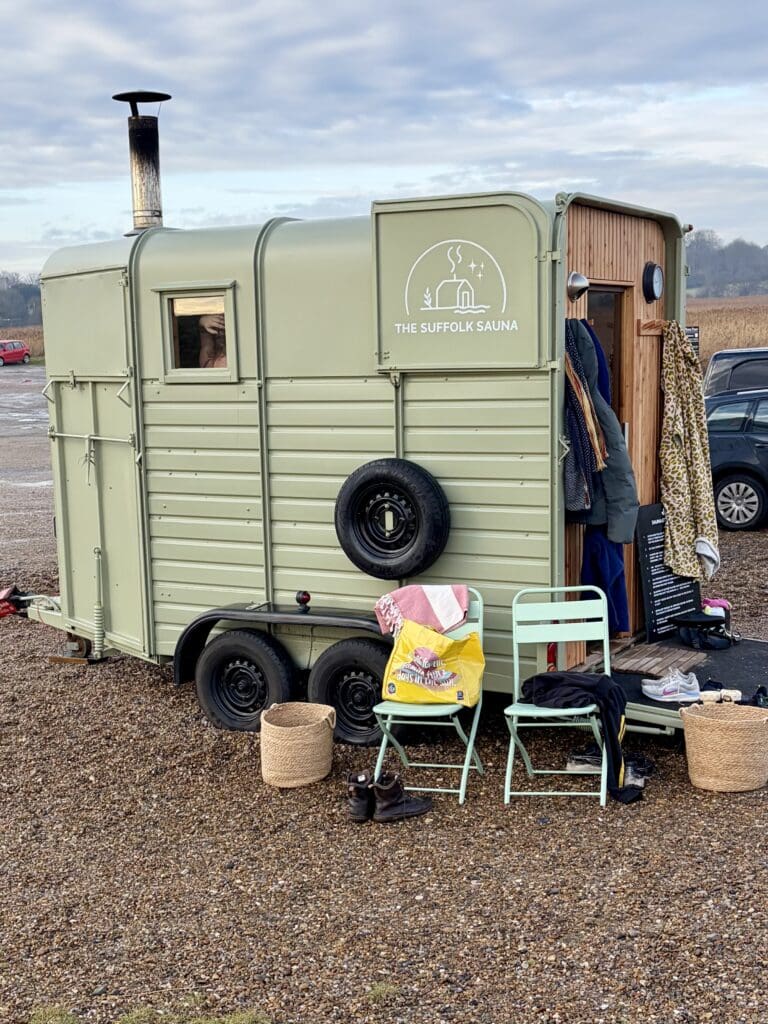
If you can’t accommodate a sauna in your own garden, then see if you can find a pop-up sauna locally. Dunwich beach in Suffolk has just that, perfect for a quick dip in the cold North Sea followed by some warming relaxation. Perfect.
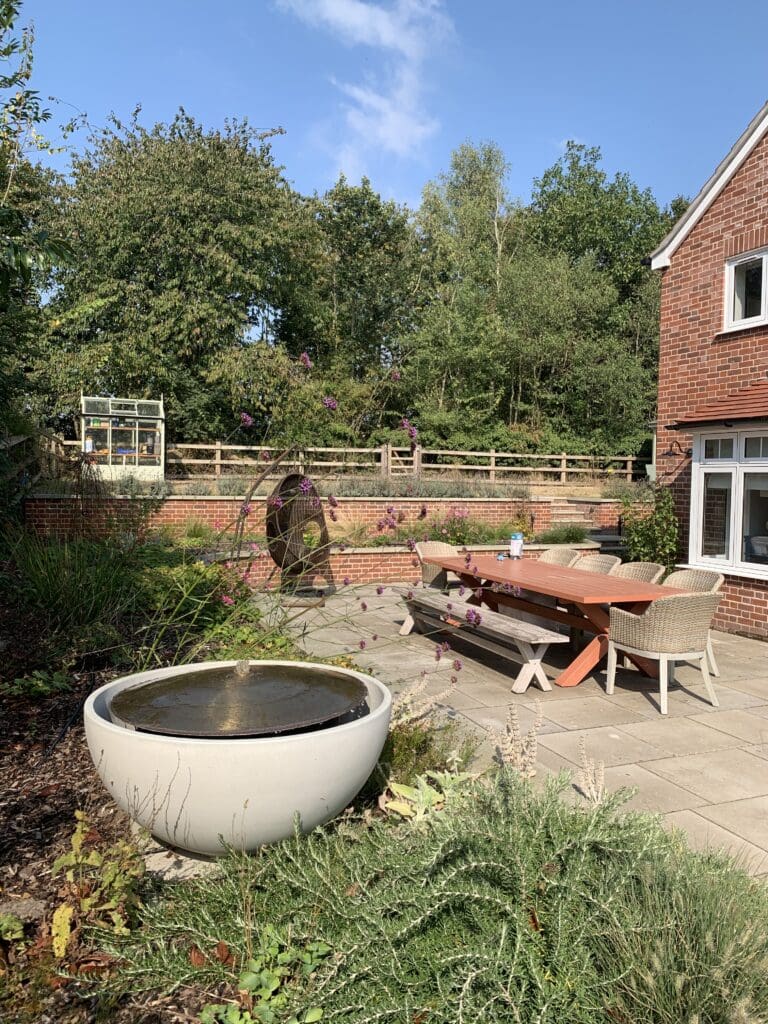
The continuing naturalistic garden design trend embraces a slightly wilder look, creating a landscape that feels relaxed and established, rather than structured and controlled. It encourages mindfulness by offering a calming, sensory experience. The meadow at the top of the garden in Suffolk continues to bring that feeling, and interestingly, meadows are a hot topic with clients this spring.
Environmentally friendly planting
A trend that continues is the push towards creating gardens that work in harmony with their natural environments. Climate change is driving the need for sustainable gardens and landscapes that are resilient to extreme weather. It means that, as gardeners, we need to plant climate-resilient plants.
”Gardeners want plants that serve multiple purposes and are robust enough to survive our weather extremes”. RHS Chief Horticulturist, Guy Barter.
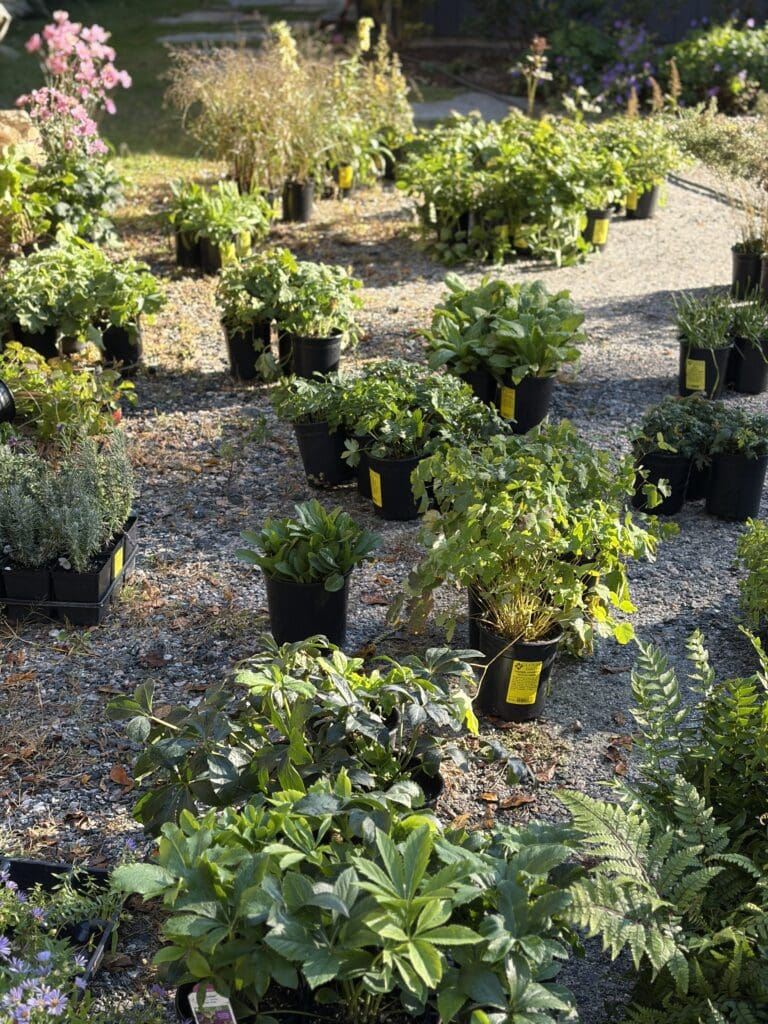
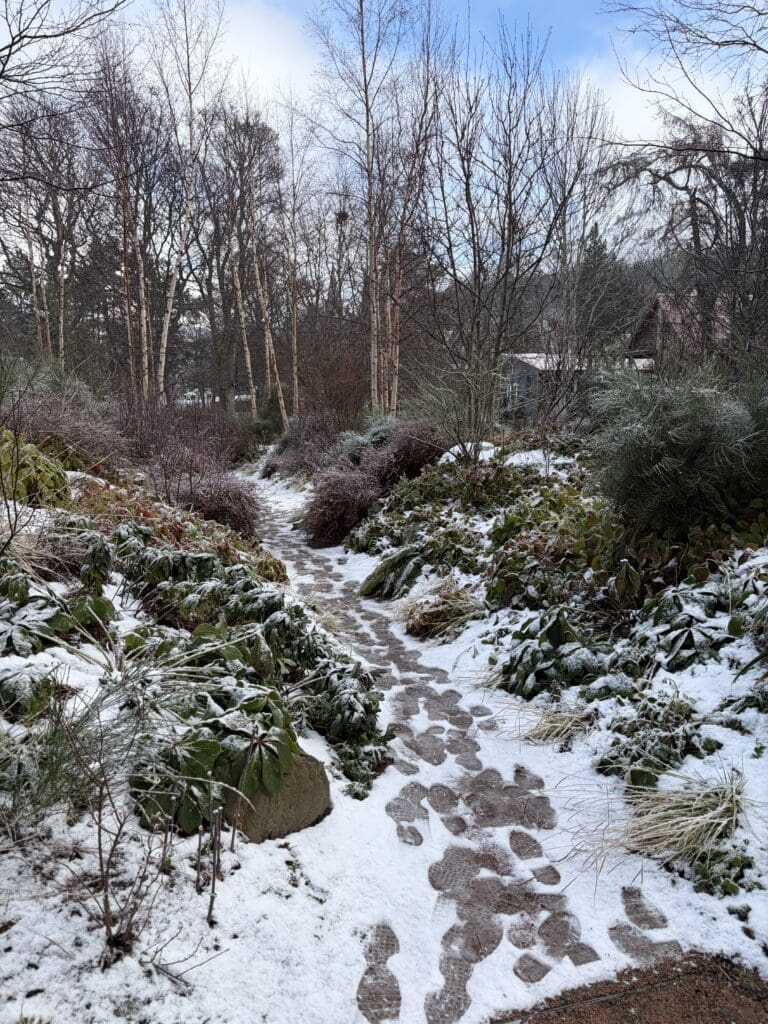
With hotter summers, colder winters and an increase in extreme weather conditions like snow in the North East, it becomes more important than ever to select plants suited to both the climate and the soil type. Native plants are a great fit for that and are becoming increasingly popular. Used in combination with exotic plants, you can create gardens that are both biodiverse and have all-year-round interest.
In 2026, wildlife-friendly landscaping also moved from a niche interest to a central design item. Creating gardens and choosing plants that support bees, butterflies, birds and other wildlife has become the norm rather than an exception. Adding a small wildlife pond to provide habitats for amphibians and drinking spots for birds has become a regular component of good garden design.
In 2025, the RHS launched a plants for purpose initiative. As part of that, a group of scientists will develop lists of plants to help manage floods, withstand drought, regulate temperature, improve health and more. This will help gardeners rediscover the concept of planting with a purpose, extending that well-used garden phrase “right plant, right place, right purpose”.
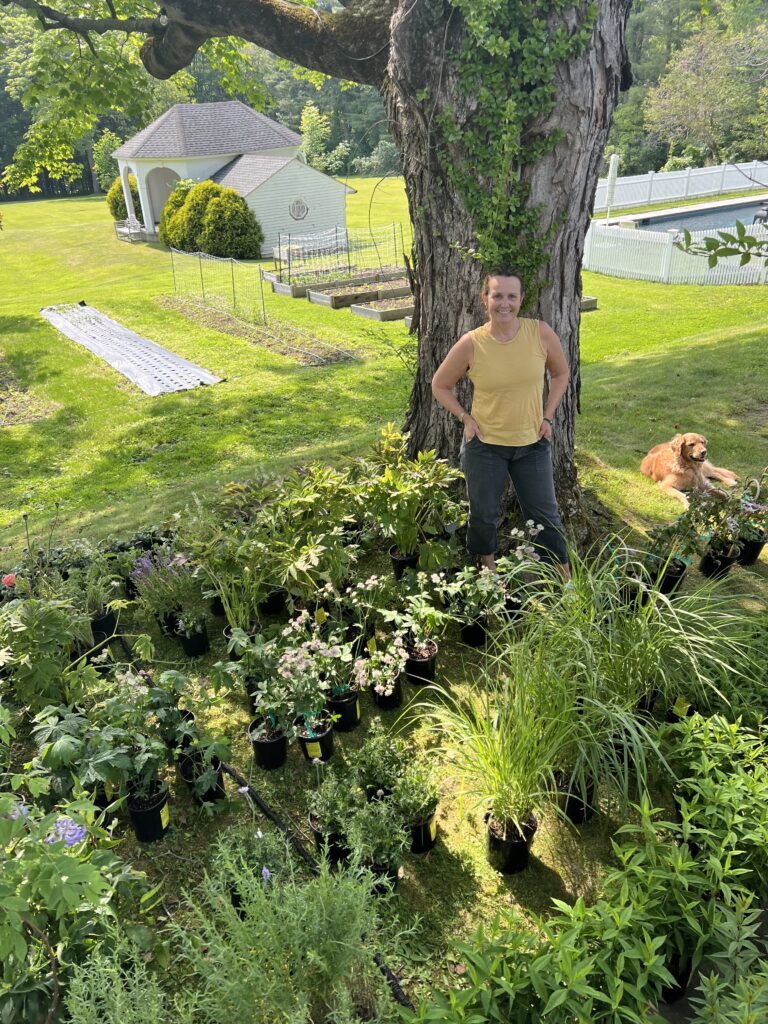
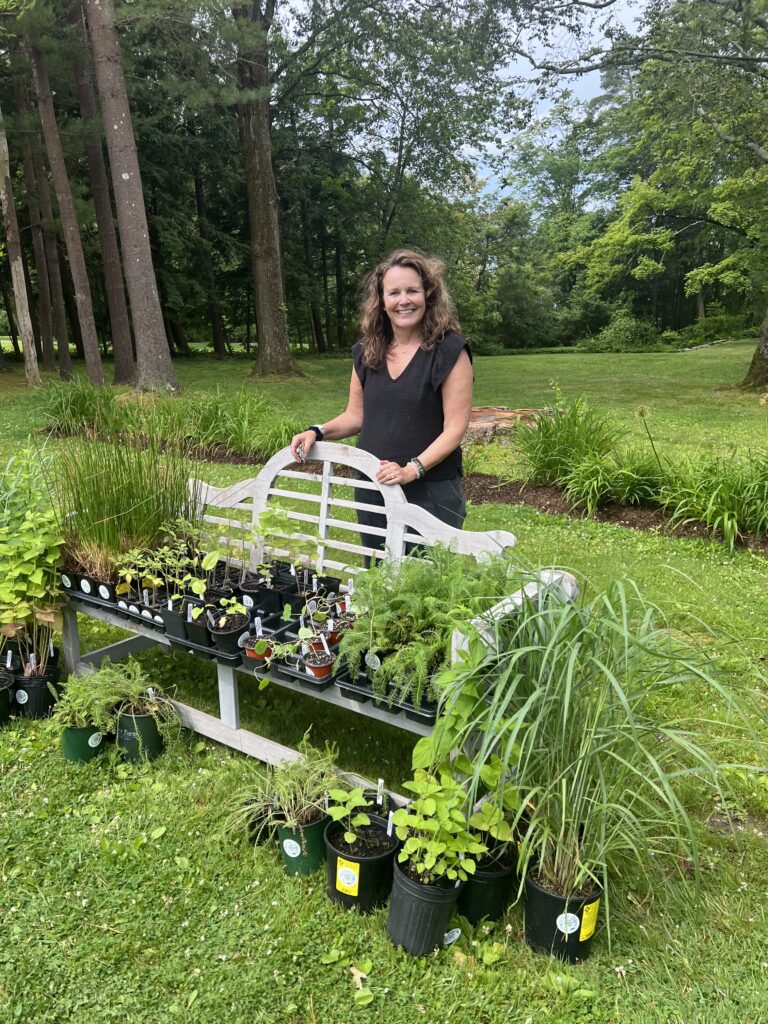
In the US, my personal hero Doug Tallamy, co-founder of Homegrown National Park, is collaborating with Our Keystone Gardens to bring Doug Tallamy’s “homegrown conservation” mission into our gardens across the U.S. They have created plant kits with a focus on keystone native plants: species that support the greatest number of pollinators, caterpillars, and the birds that depend on them. The aim is to make it easy for anyone to turn a green space into a living sanctuary. Take a look at what might work in your garden My Homepark. If you adopt one trend this year, this is it: plant native plants. My Homepark have ideas for container natives, so if you only have a deck or small outdoor terrace you can still make a commitment to conservation by planting native plants.
Utilising AI
Last year, RHS Chelsea announced a garden that explored AI in a garden context. Technology was used to assess trees’ water and care needs. Many garden design apps use AI to help visualize layouts, and numerous plant identification apps rely on AI to assist beginners and experts alike. Whilst most gardeners would agree AI should not lead a conversation in garden design, it has a place in maintenance, data gathering and education. If you are new to gardening and want to learn more about plants, I recommend downloading one of the plant identifier apps. Personal favorites include LeafSnap and PlantNet, but you can also use Google Lens if you want to stay away from more Apps! Well worth trying; it’s a great way to visit gardens, use the App to identify plants you see that you like, and keep notes for the next time you are planning your garden.
Gravel gardens
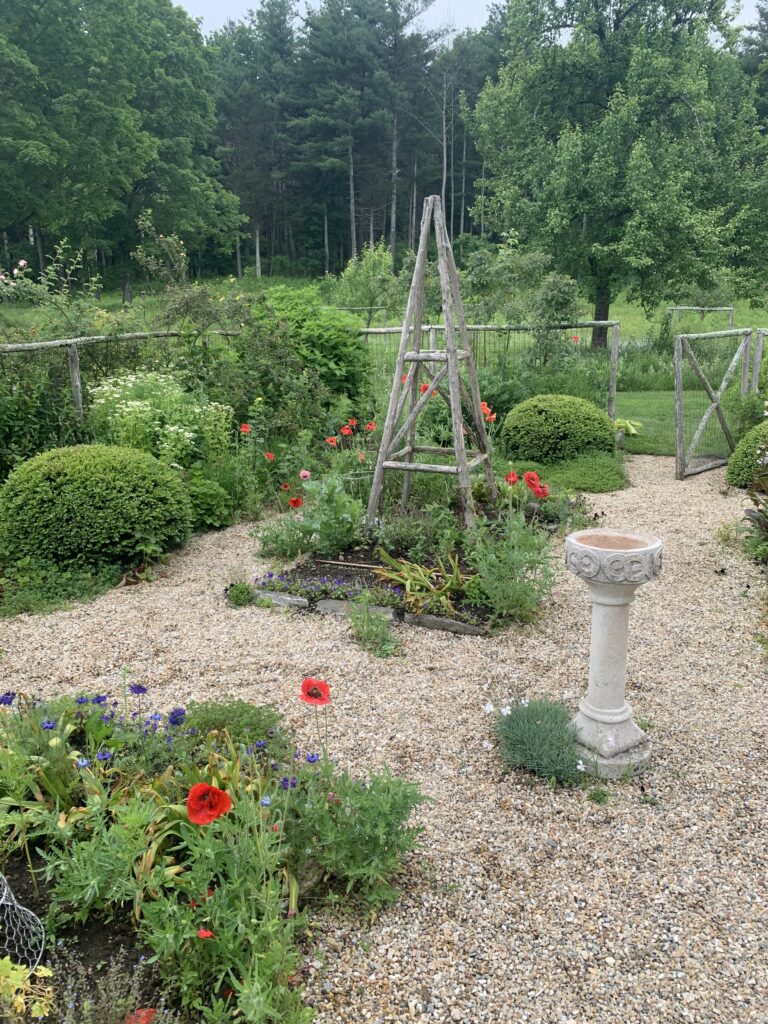
Gravel gardening continues to grow in popularity, with practical water conservation and strong visual appeal. Gravel allows rainwater to pass through to the earth beneath it to replenish the soil, and this allows water and oxygen to reach roots, supports trees and plantlife, and reduces the heat island effect. It’s the same for all that snow we have had in the NE.
Water management
Droughts and floods are becoming a more common part of our year, and capturing the right amount of water at the right times is now more important than ever. Rainwater is the most environmentally suitable source of water in our gardens. An easy way to harvest water is by collecting it in water butts and tanks, and trying to direct rain from areas of the garden that get flooded.
Growing our own food and plants
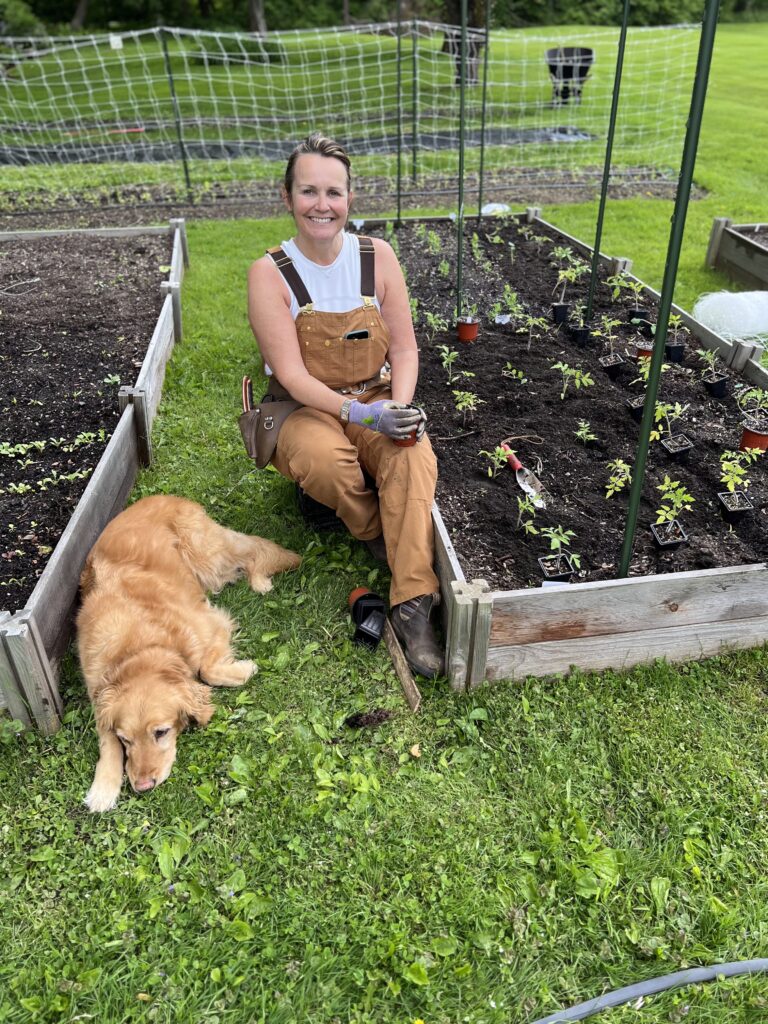
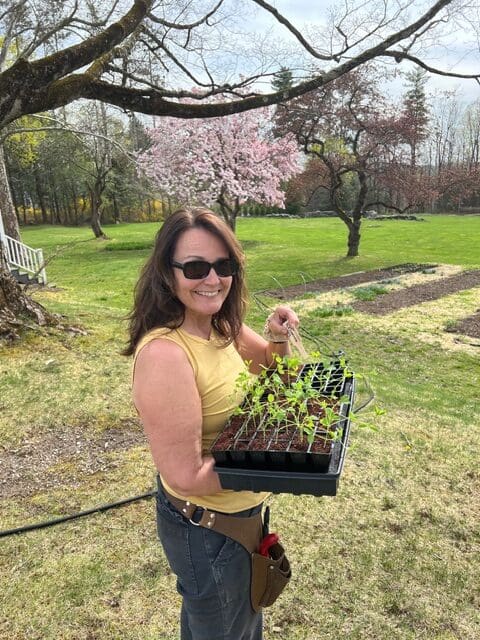
The continuing rise in the cost of living will keep our garden budgets tight and encourage people to grow their own food and plants from seed. The Money Saving Gardener by Anya Lautenbach is a good resource if you are gardening on a budget. Growing your own food, such as planting fruit trees, not only enhances biodiversity and soil stability but also contributes to sustainable, self-sufficient gardens. Potted herbs remain a firm favourite if you have limited space to grow.
Growing Flowers for Cutting
Over the last decade, boutique flower farms have emerged across the country, reshaping how people grow, buy, and enjoy cut flowers. This movement reflects a growing interest in locally grown blooms that are fresher, more seasonal, and often cultivated using sustainable practices. As anyone who reads this blog will know, growing cut flowers is a passion of mine. The key is in the planning, soil quality and maintenance. The inspiration comes from the gorgeous blooms to pick from all summer long.
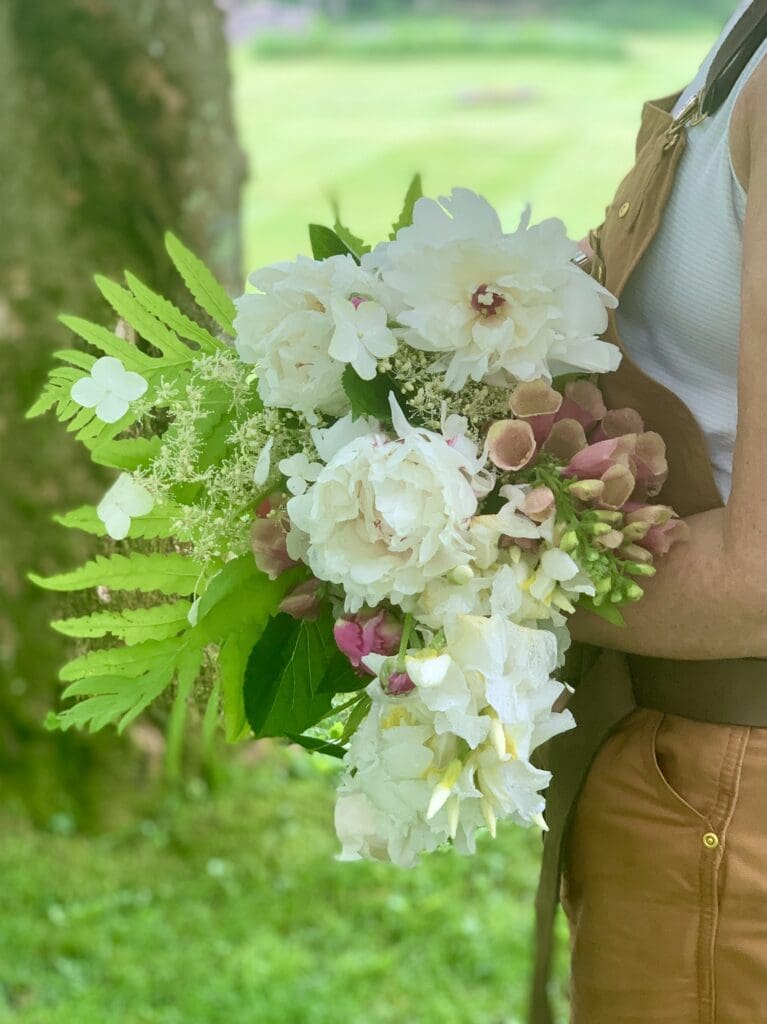
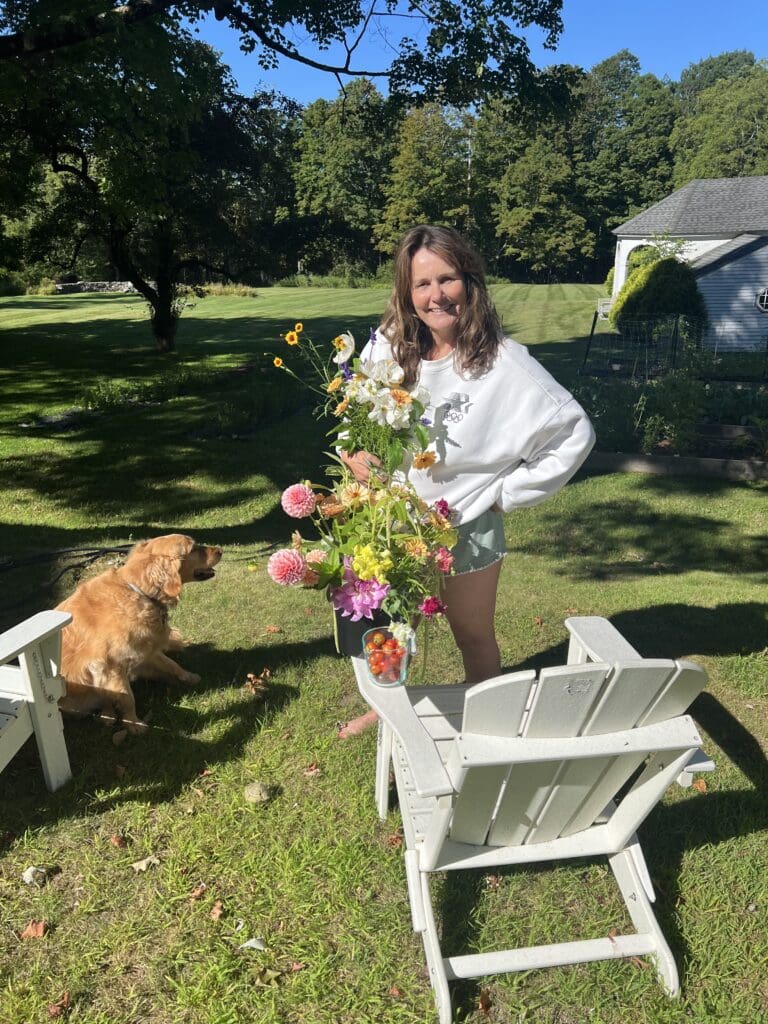
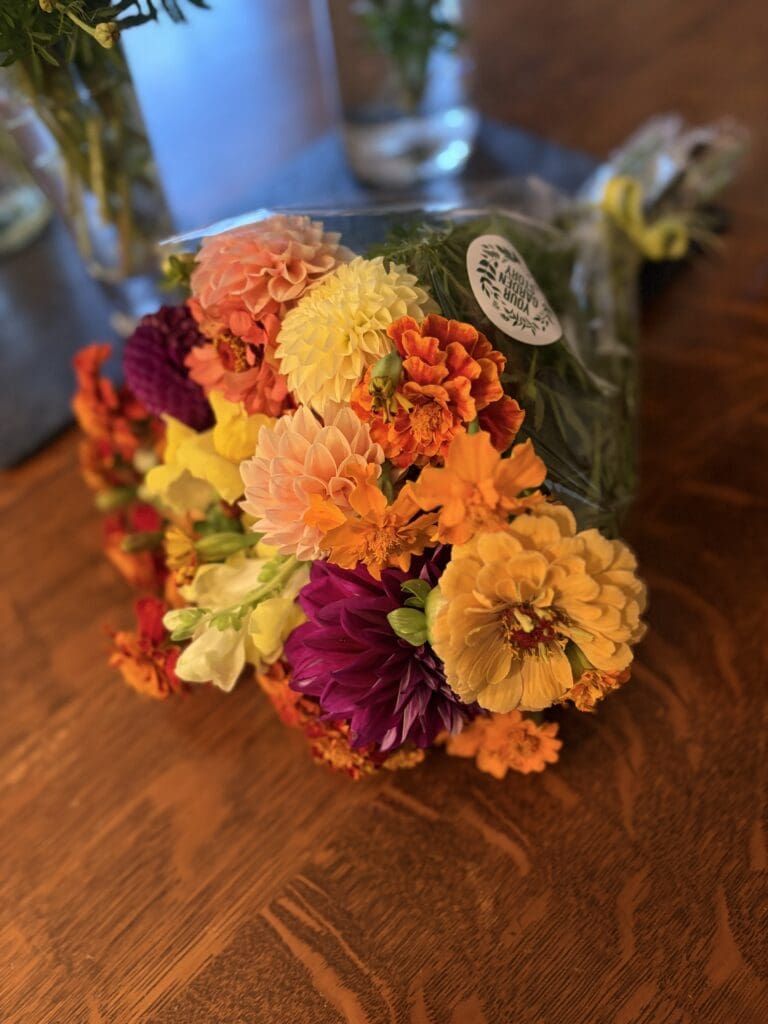

Popular choices such as dahlias and zinnias provide abundant, long-lasting blooms throughout the growing season, while heirloom annuals add unique colors, forms, and fragrances that are rarely found in commercial arrangements. Just be warned, once you start growing your own cut flowers you won’t want to stop!
Nostalgia
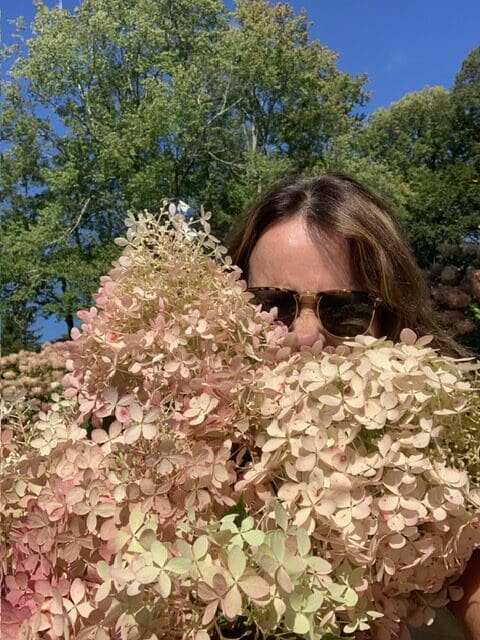
Everything old is new again, and there seems to be calling for the old-fashioned plants our grandparents used to grow, such as peonies, hydrangeas and sweet peas. The modern approach soft and naturalistic — think of Monty Don’s “good bones” philosophy, or wonderful balance on display in English gardens like Hidcote, Sissinghurst, and Great Dixter, where structure provides order but plants create the atmosphere.
Composting
Apparently, composting became one of the hottest topics talked about by RHS members in the UK. In an unpredictable climate and an increasing awareness of climate change and its impact on the garden, it’s something we can all do to have a practical impact on our environment. Homemade compost is ideal for adding nutrients to soil and for mulching. Leaf mould has become a really useful constituent of garden compost and is so easy to collect and store. Monty Don has lots of useful ideas on how to make compost so take a look at his gardening book on how to get started Monty Don Gardening Books.
If you have any comments or anything you would like to share about your gardening plans for 2026 we would love to hear from you. Please email me at wendy@yourgardenstory.com.
Also, reach out if you would like help sourcing plants or containers for the year ahead. We have a great selection of suppliers we work with.
Let’s all get gardening in 2026 and make this world greener!