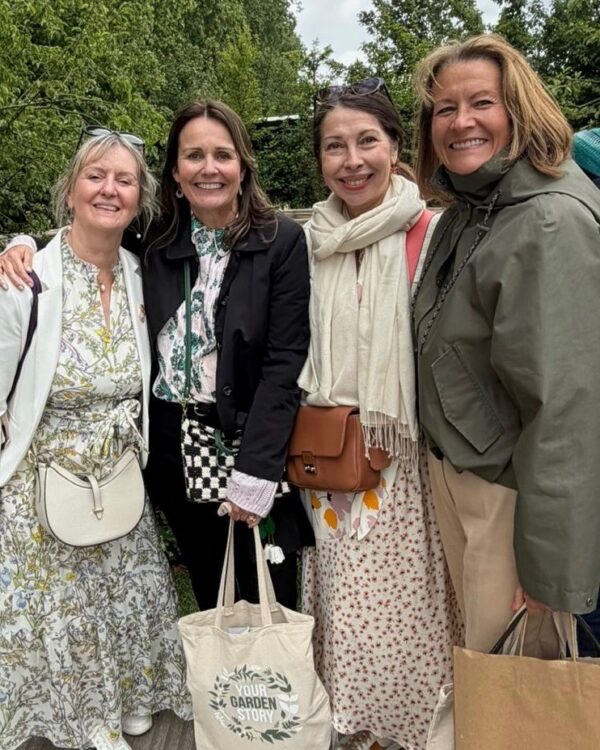
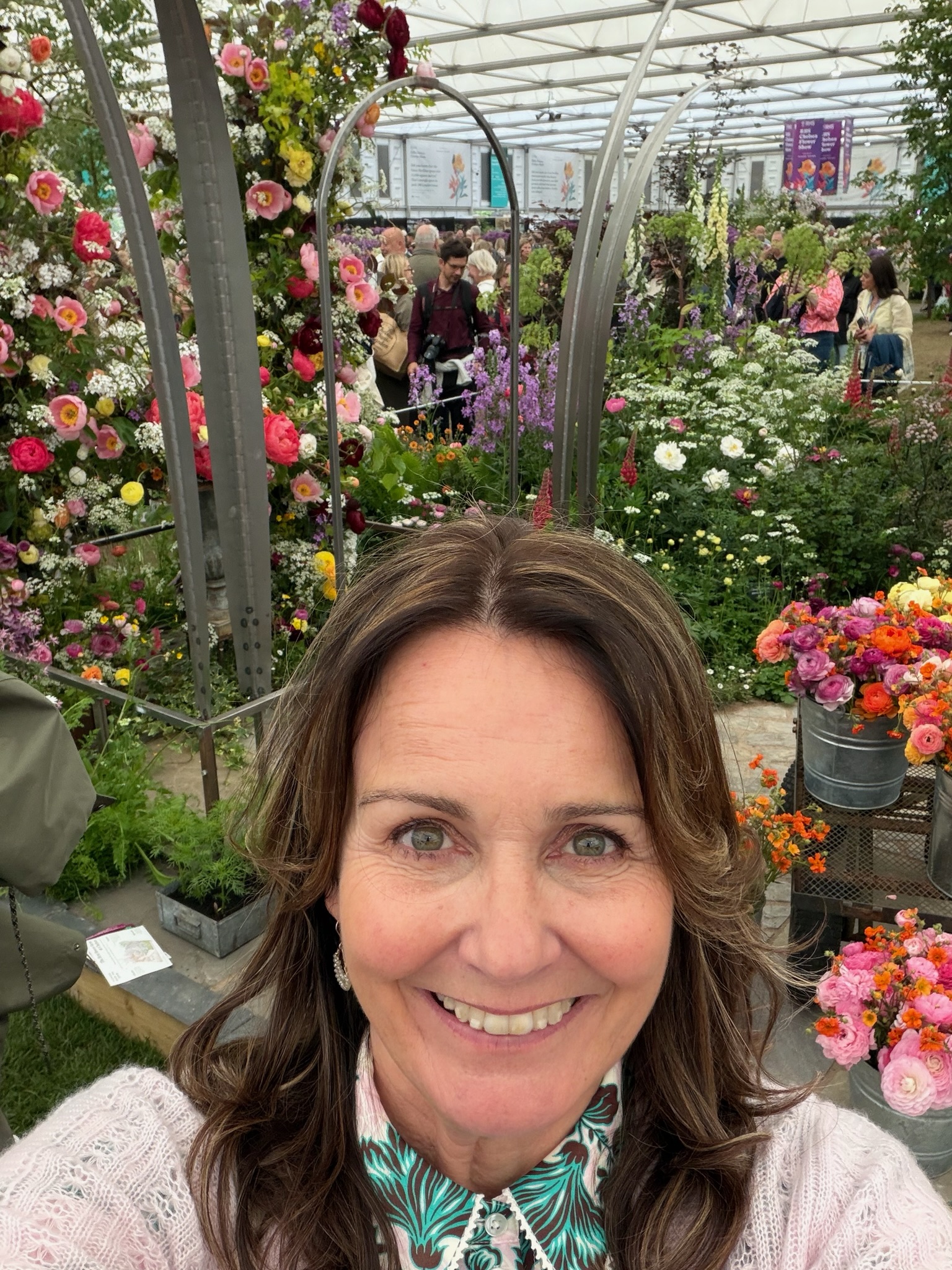
What a difference a year makes! Back at the RHS Chelsea Flower Show earlier this month for a second year in a row, and I felt like I had it cracked! Full of anticipation and excitement, but also with the benefit of experience, I was ready to enjoy all the best the RHS Chelsea Flower Show has to offer. The biggest crisis of the day was a last-minute change of outfit after rain and cold temperatures thwarted the white linen dress I had packed two weeks prior on a hot, steamy day in NYC. Thanks, Clare, for the loan of your lovely floral ME+EM blouse, cardigan and raincoat!
The Chelsea Flower Show, first hosted by the Royal Horticultural Society (RHS) in May 1913, now has more than 160,000 visitors attend every year. With the BBC’s daily coverage, millions of people worldwide have experienced the show.
This year, with my show research done in advance, and my dear friends Clare & Katy to keep me company, off I went, umbrella to the ready. Could it possibly be as good as last year? Were the rain clouds sending me a sign? All I can say is WOW, WOW, WOW again this year. The show was even better. Maybe a year of cut flower growing added to my enthusiasm, maybe knowing my way around the grounds made me able to relax and enjoy it more or maybe it actually was EVEN better. The sheer joy of the day inspired me again to write about the day on my way back over the Atlantic and share my top picks from 2026 of gardens, plants, and exhibits.
Favorite Gardens
Let’s start with the show gardens. There are more than 30 spectacular show gardens, from large to small and even container gardens, each trend-setting in a unique way. A theme of this year is the influence of Japanese design, appealing to those seeking mindfulness and a deeper connection with nature. Four of the nine large show gardens on the main avenue drew directly from these traditions. The commitment to biodiversity and wildlife gardening also remains paramount, with it becoming a prerequisite for all the major show gardens. This mirrors a broader trend among the public, with over half (52 per cent) of gardeners adapting their practices to support biodiversity. There was also more color this year in the planting. The breadth of plants and colors used in the show gardens was noticeable and made the gardens sing even on a cool, cloudy day.
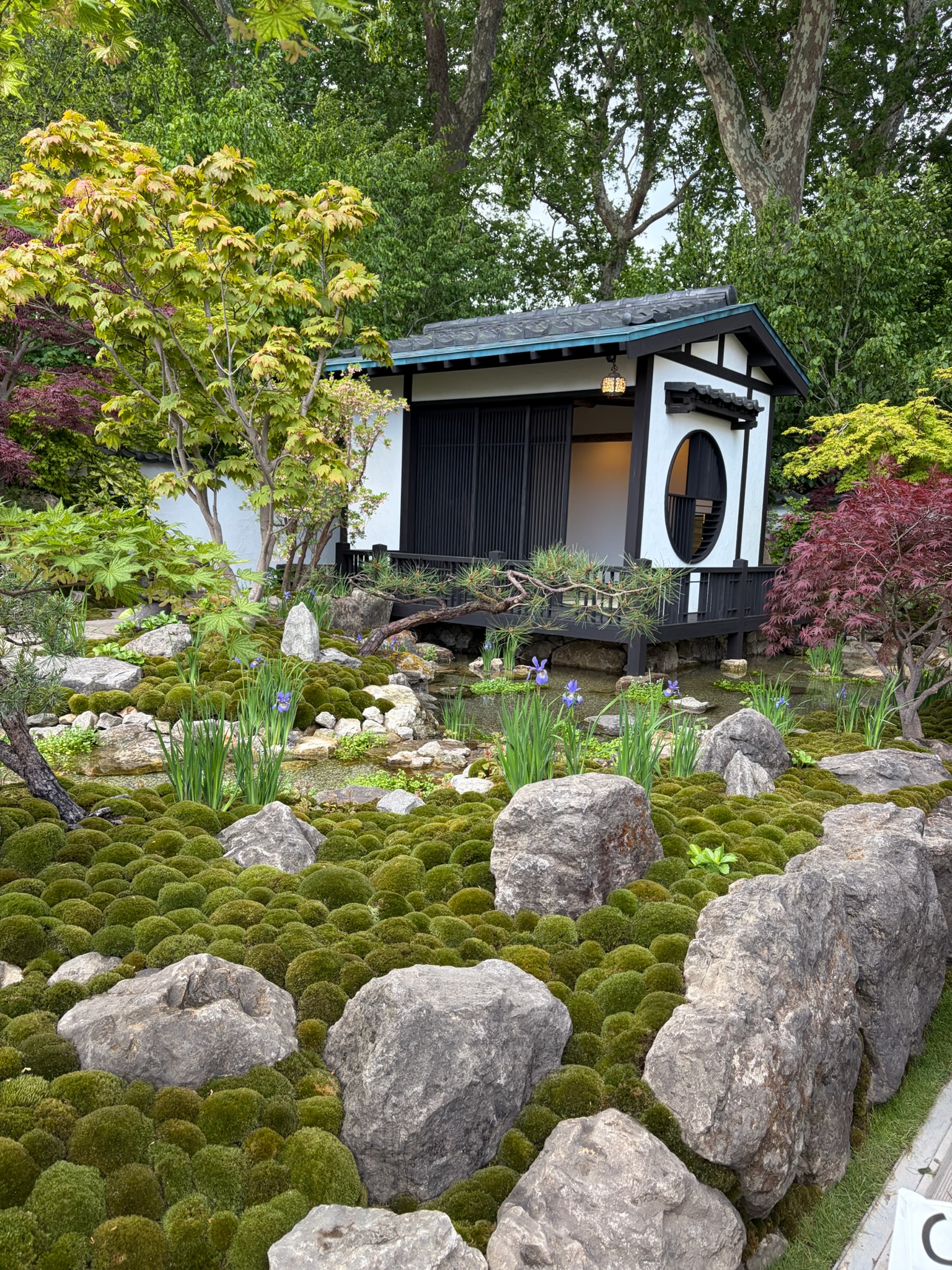
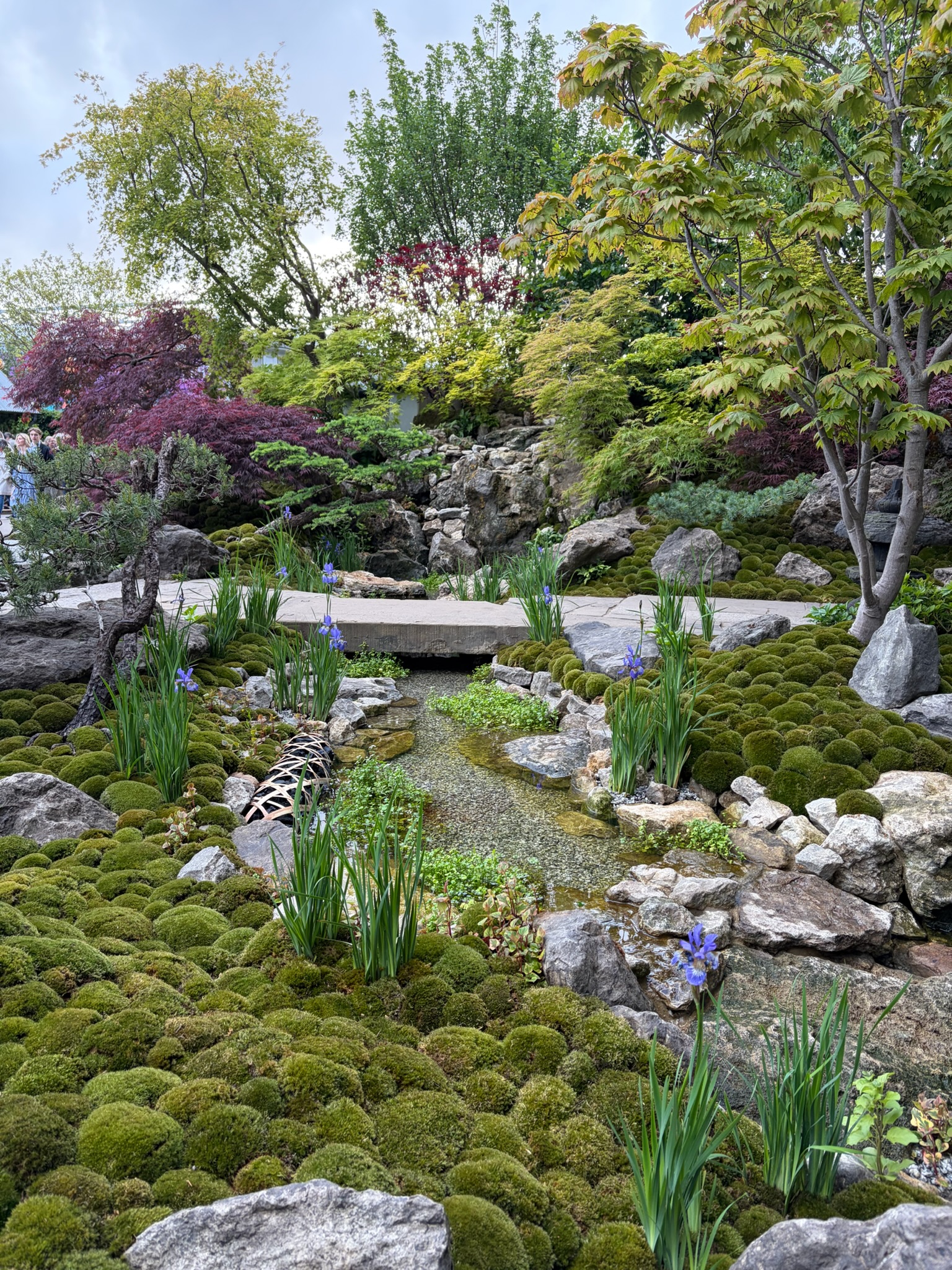
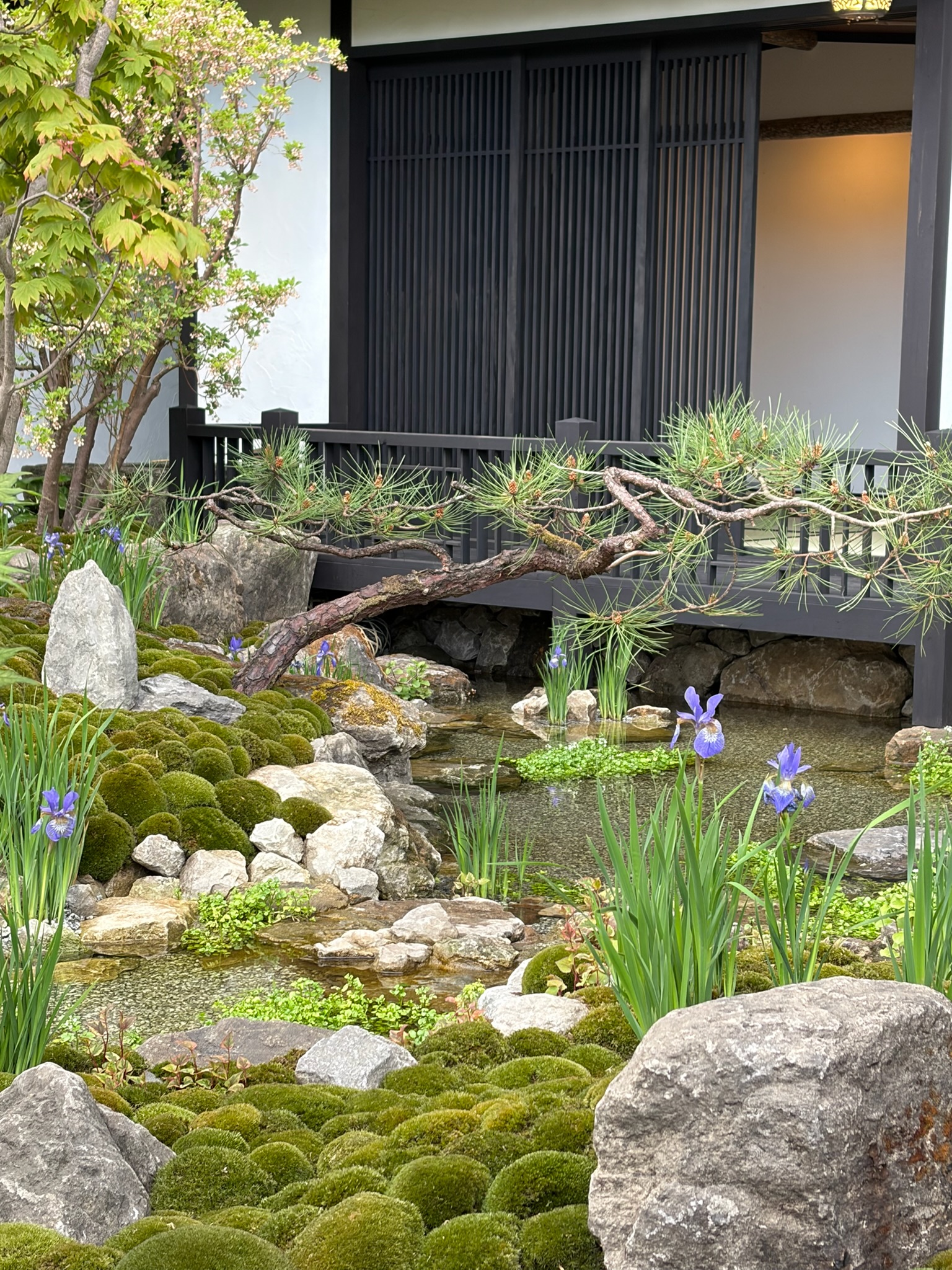
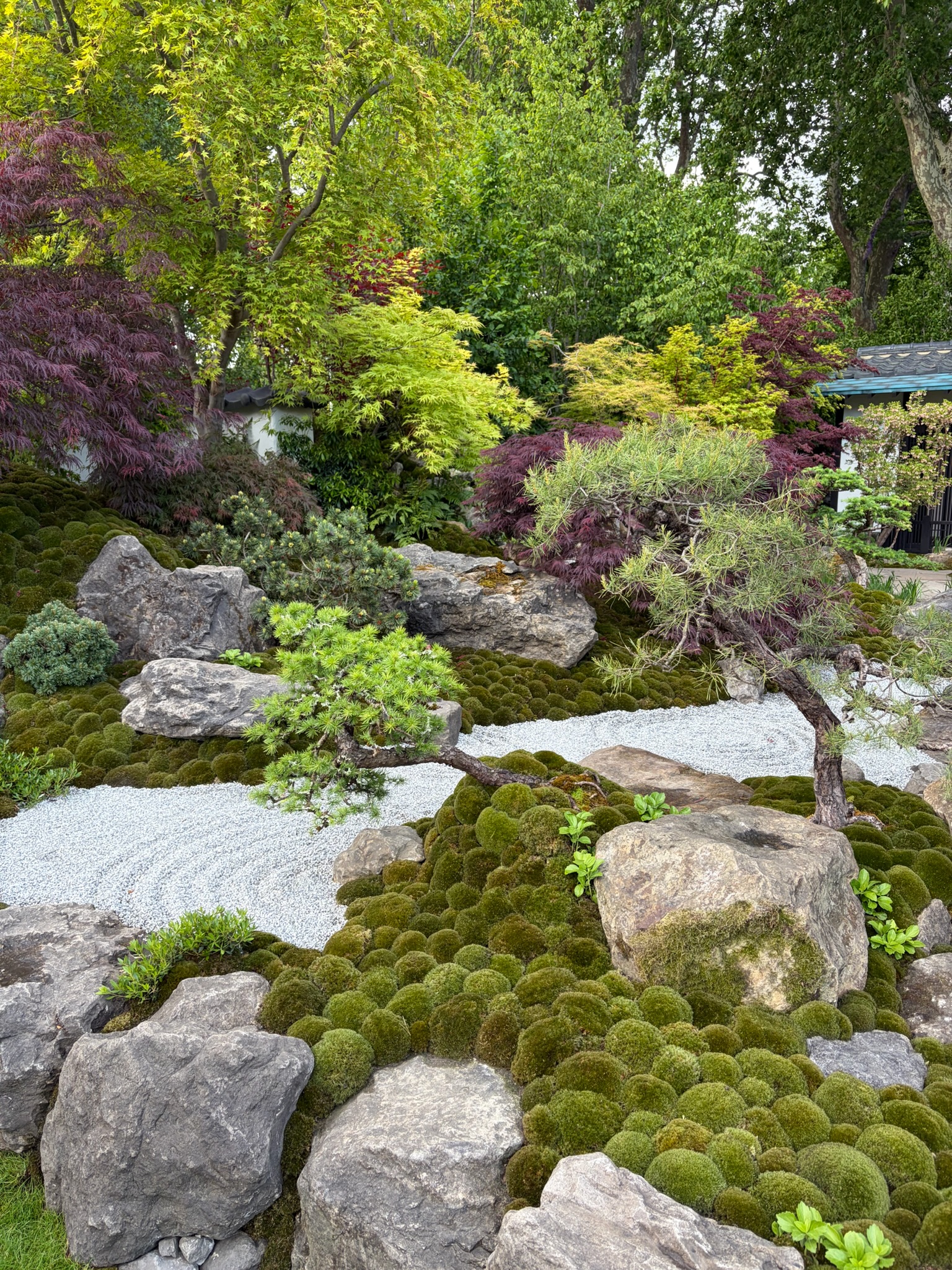
Award-winning designer, Kazuyuki Ishihara’s Tokonoma Garden – Samumaya no Niwa was my personal favorite. Tokonoma refers to the raised alcove structure in the garden, which in Japanese tradition acts as a place for families to gather to eat, talk and entertain. It overlooks the garden area, providing guests with a full view. The garden felt tranquil, even in amongst the bustle of the show, and the combination of plants and water features was restful. The space and openness of the planting created a feeling of calm, and moss groundcover added a softness against the starkness of the stone pathways and boulders. Blue irises used sparingly in the landscape were gorgeous, as was the variety of water plants. Japanese acers (maples) have always been a favorite of mine; they are graceful, structural and strong. In this garden, several varieties of acers were used, and their different colours and leaf shapes created beautiful layers and light.
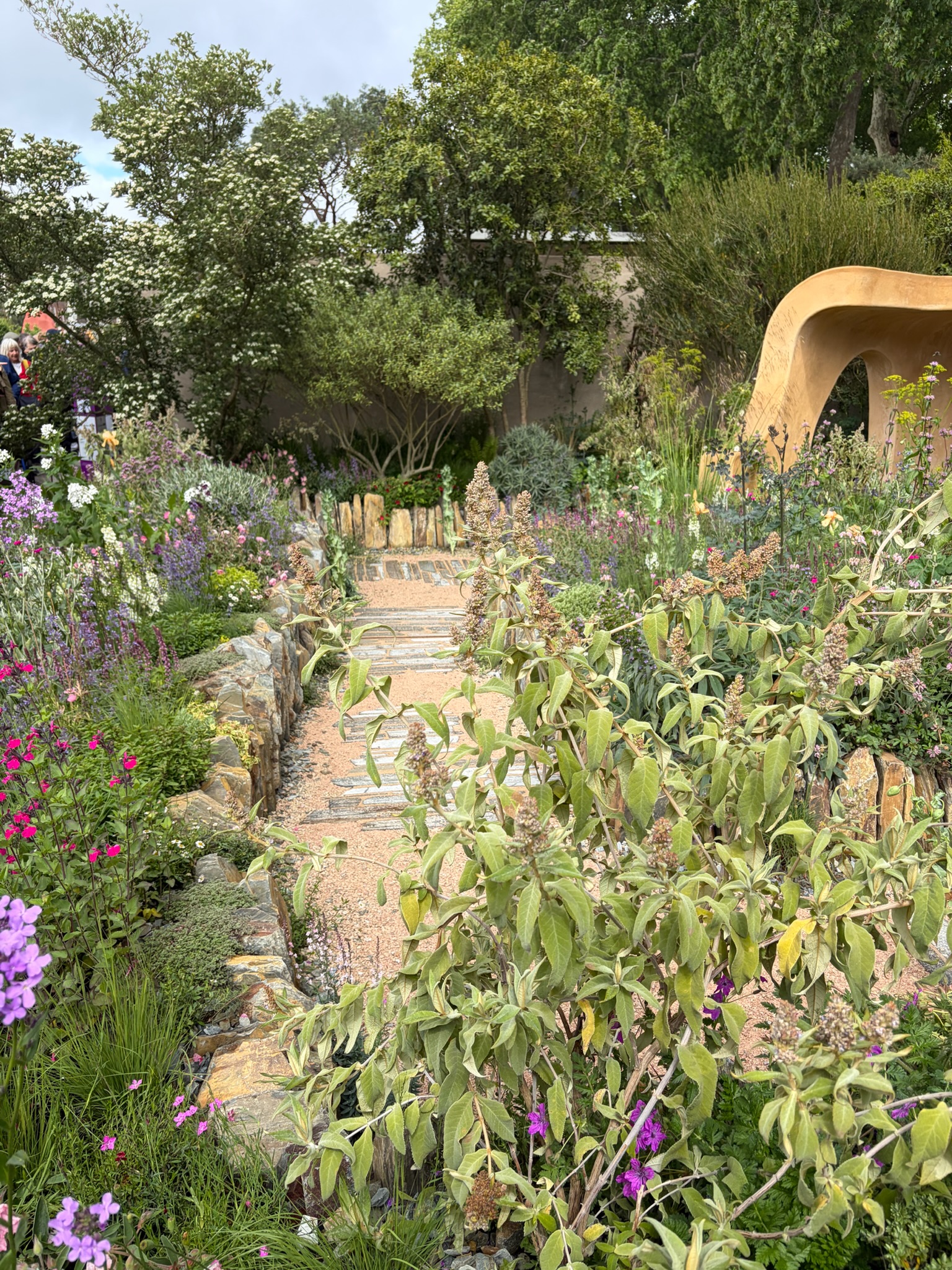
Lady Garden Foundation ‘Silent No More’ Garden by Darren Hawkes was beautiful for different reasons. The garden was created to shine a light on major women’s health issues, the five gynaecological cancers that claim the lives of 21 women each day in the UK. The designer, Darren Hawkes, researched the cancer charity’s work and drew on the work of Spanish artist Eduardo Chillida to reimagine the female form in structures. The result was both bold and beautiful. The dramatic sculptures created intimate gathering spaces. The walls and paths were made from Cornish slate using traditional dry stone methods. The planting was again graceful and soft, with plenty of color to reflect the diversity and beauty of women, featuring soft spires of salvia and foxgloves combined with beautiful structural trees and shrubs.
Favorite Pavillion Exhibits
I think The Great Pavilion at Chelsea has become my favorite part of the show. You can discover over 70 world-class growers, florists, designers and more captured under one huge tent. I am inspired by the people who dedicate their careers to researching and growing plants for our gardens. We spent time in the pavilion talking to growers who are happy to share their expertise. Here are my favorite exhibitors, all of whom went through the stress of being judged for medals.
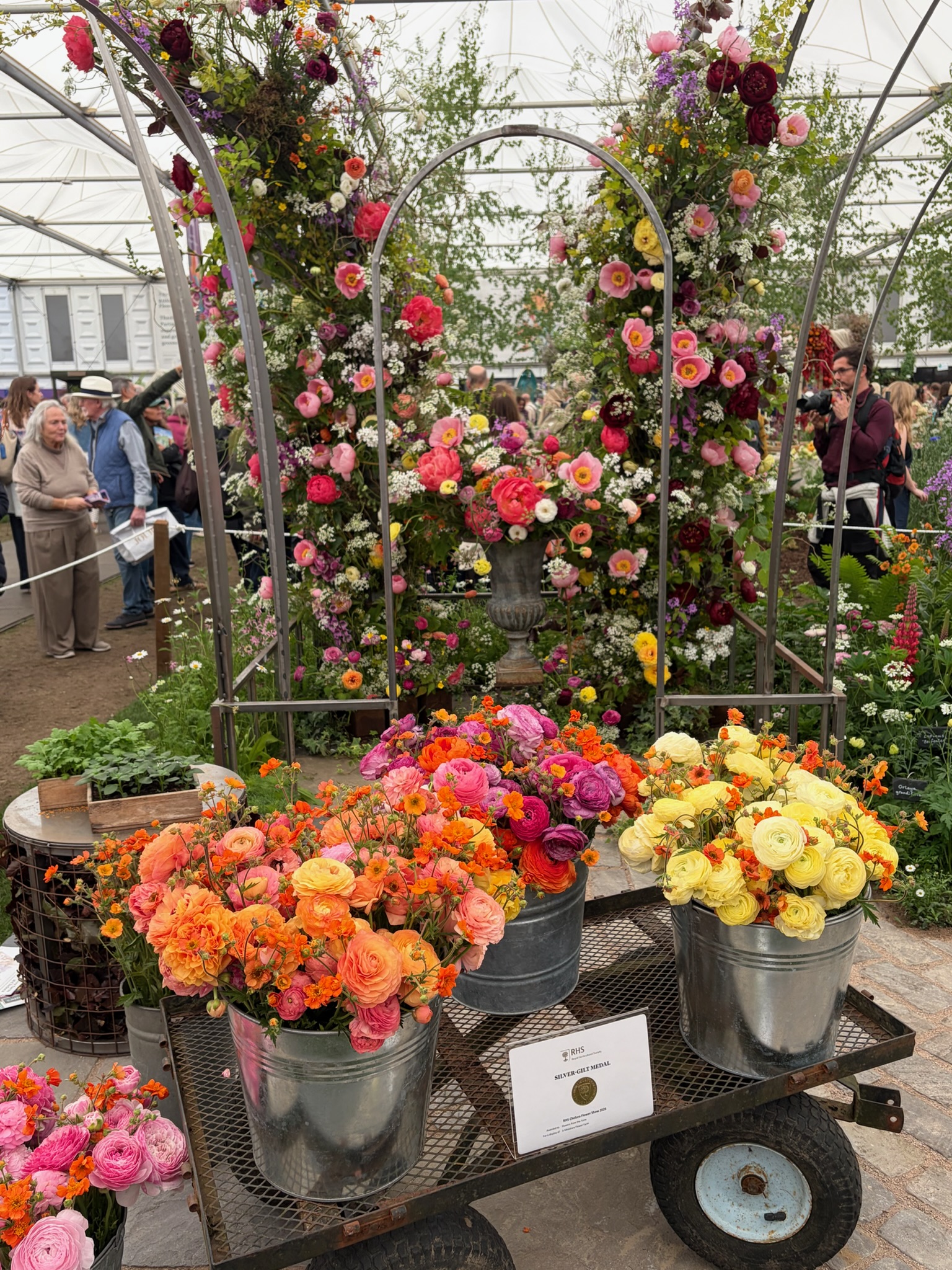
Flowers From The Farm is the trade body for British cut flower growers. Close to my own heart, the exhib brought together a small group of members with a mission to educate, advocate and inspire. Flowers From the Farm created a 25 ft by 15 ft mini flower farm at the heart of the Great Pavilion. A working snapshot of a British cutting patch in May, planted as a polyculture and grown the way FftF members grow at home. Super cute, it illustrated cut flower farming at its best from planting through to design inspiration. I chatted to a couple of the cut flower growers and asked for tips on how to develop my business here in CT. Their advice was to start small, keep your planting palette simple and add diversity and sustainability by growing perennials along with annuals.
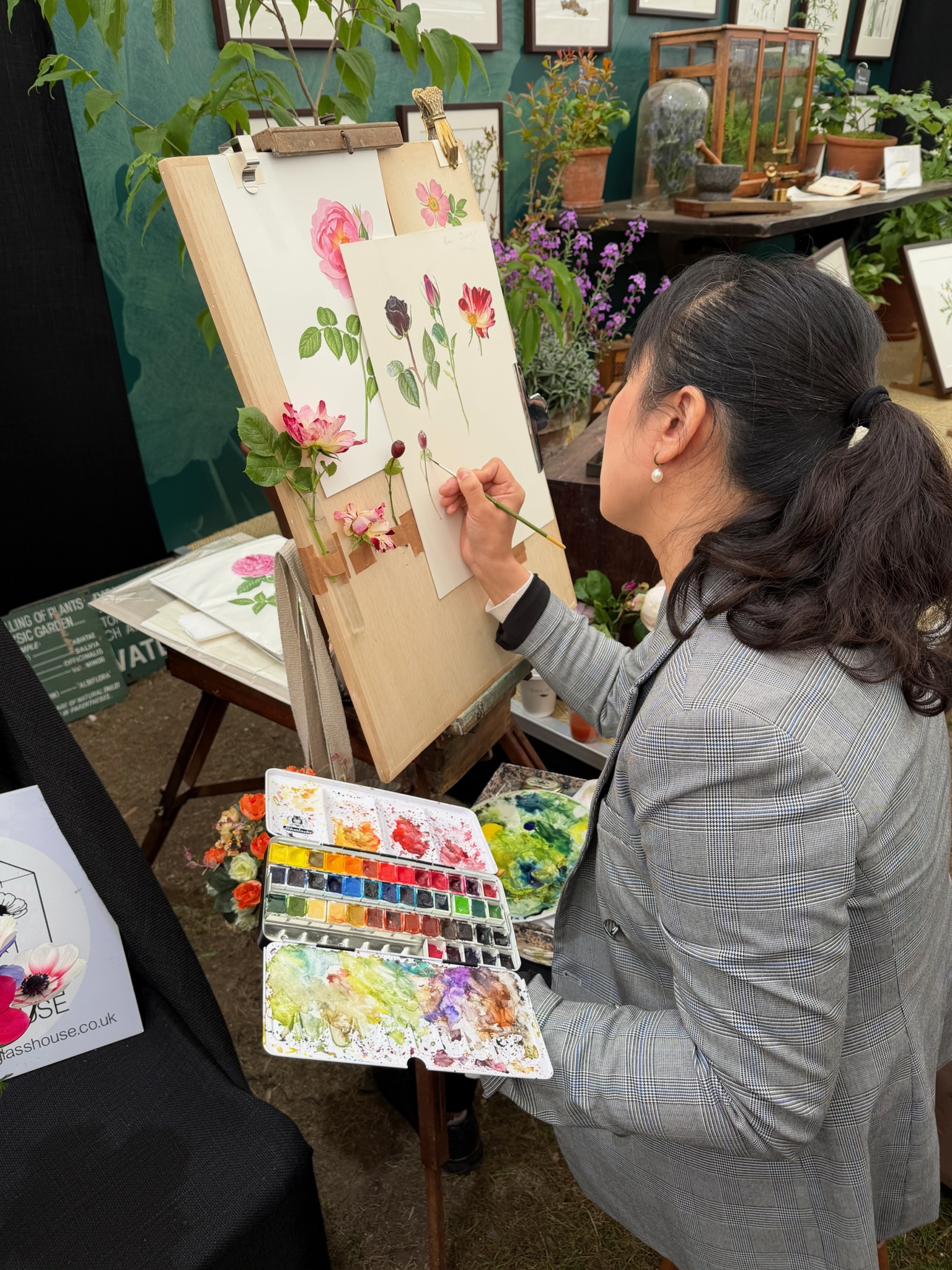
The Chelsea Physic Garden is just a five-minute walk from the flower show. Chelsea Physic Garden is London’s oldest botanic garden, and has a mission to help everyone to understand the value of plants in their lives. It is home to over 4,500 medicinal, edible and useful plants. It also has a Florilegium Society (not easy to say), which had an exhibit at the show. A volunteer group of artists whose job is to record the garden’s living collection of plants through illustration. Their society is the oldest of its kind in Europe and has created over 800 artworks. One of the volunteers was in action, painting during the show, which is a miracle in itself given the number of people wandering through the tent. We stood in awe at both the skill and dilligence on display. It can take years in some cases to create a single plant illustration. I highly recommend you take a visit to the garden to look at the archive, art tours are available.
Favorite plants
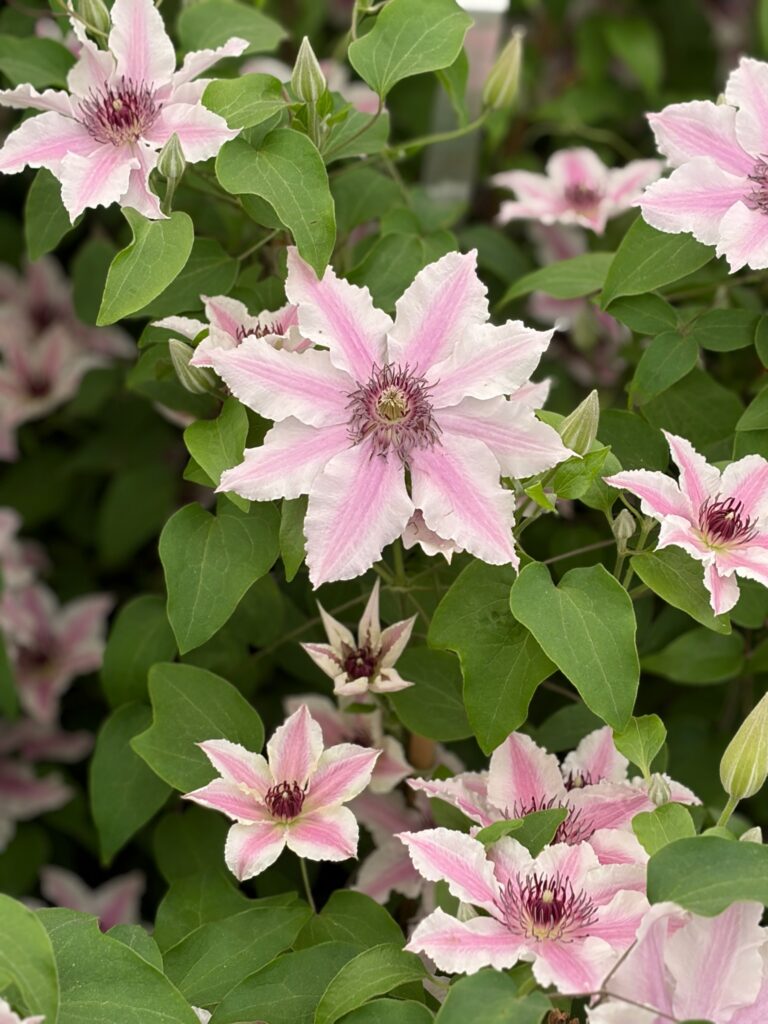
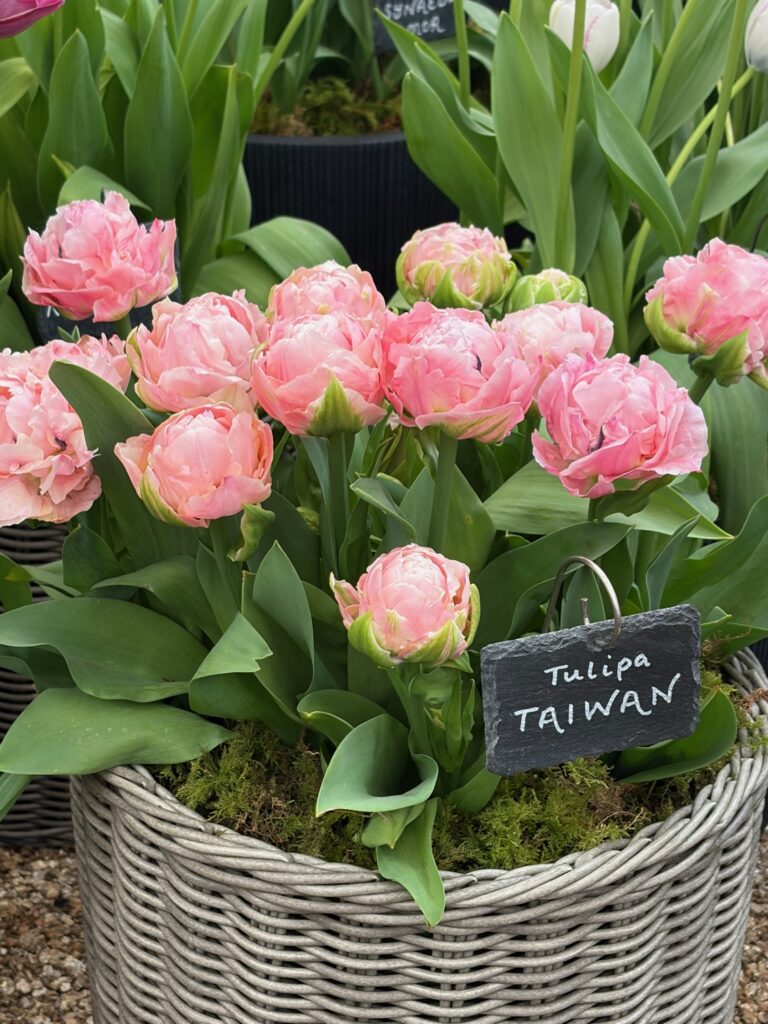
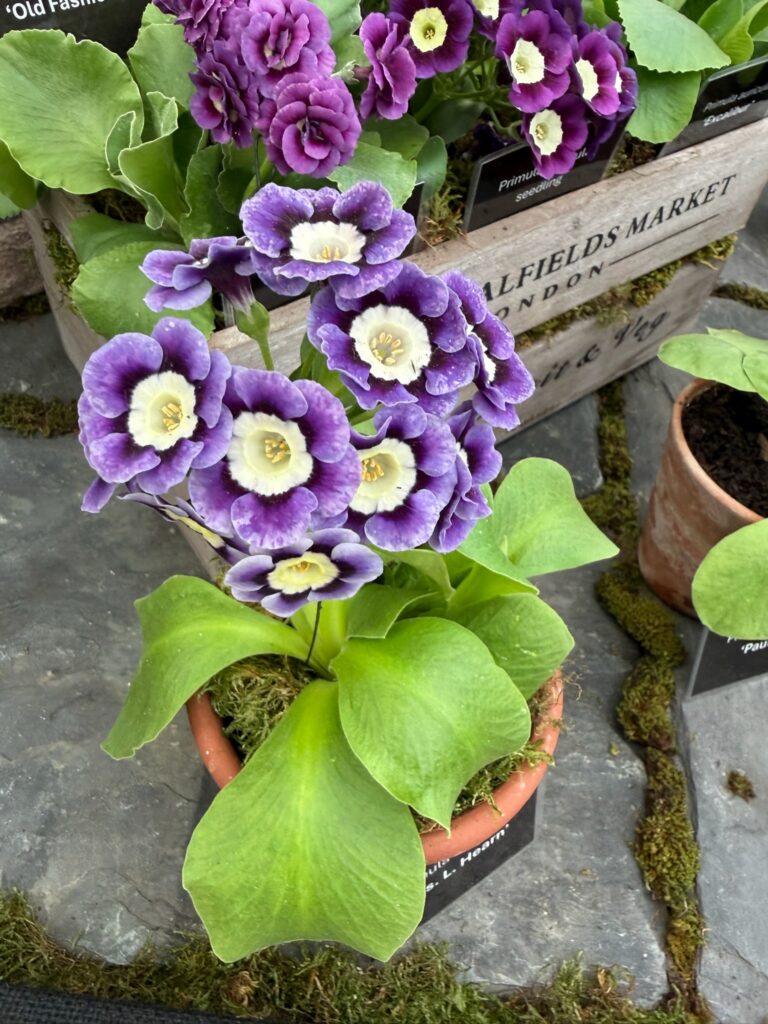
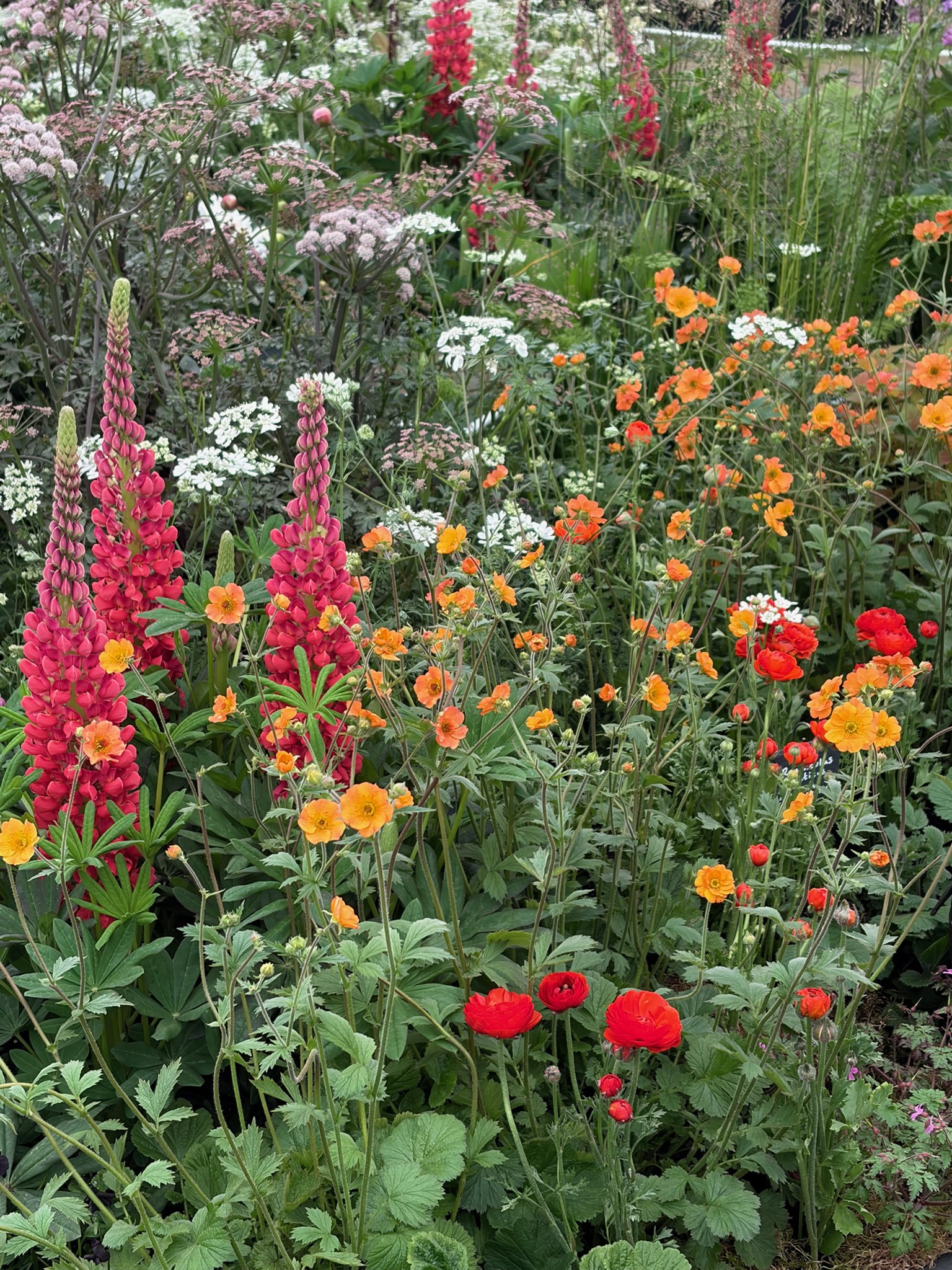
There are so many plants in both the show gardens and, of course, the specialist growers’ pavilion. It is hard to pick favorites, but here are those I have been dreaming about.
- Geum ‘Totally Tangerine’
- Clematis ‘Ithemba‘
- Tulipa ‘Taiwan’
- Primula auricula ‘Beatrice‘
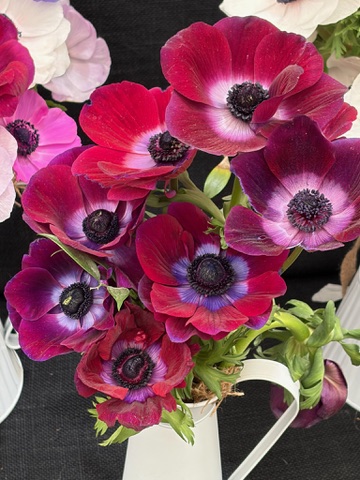
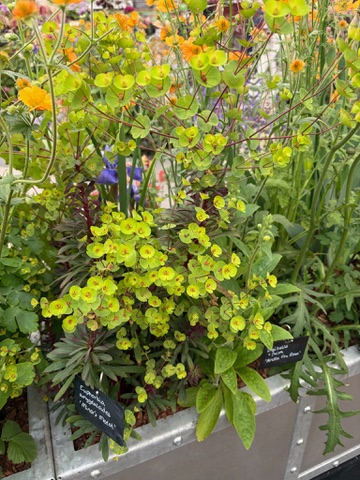
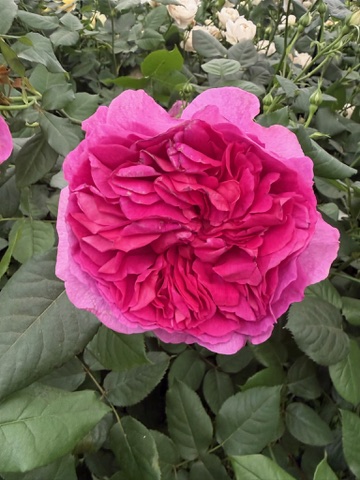
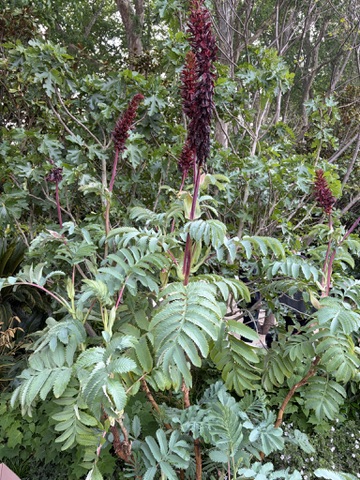
- Anemone coronana ‘Mistral Vinato’
- Euphorbia amygdaloides ‘Minor Merlot’
- Rosa ‘Gabriel Oak’
- Melianthus major
Favorite Sculpture
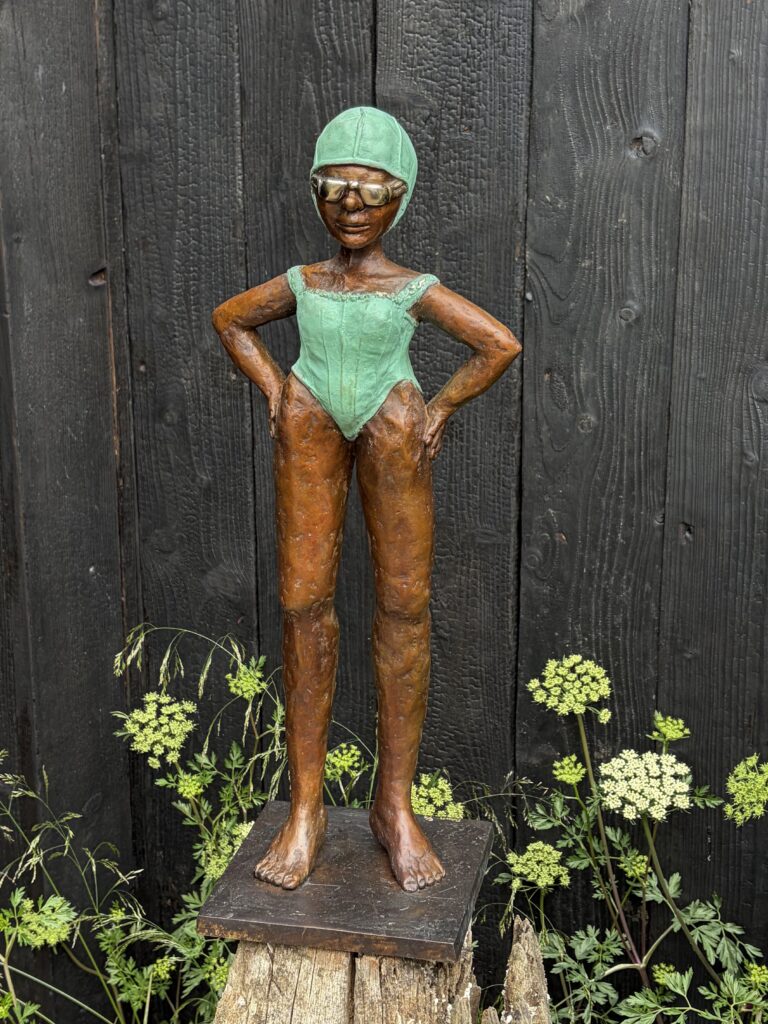
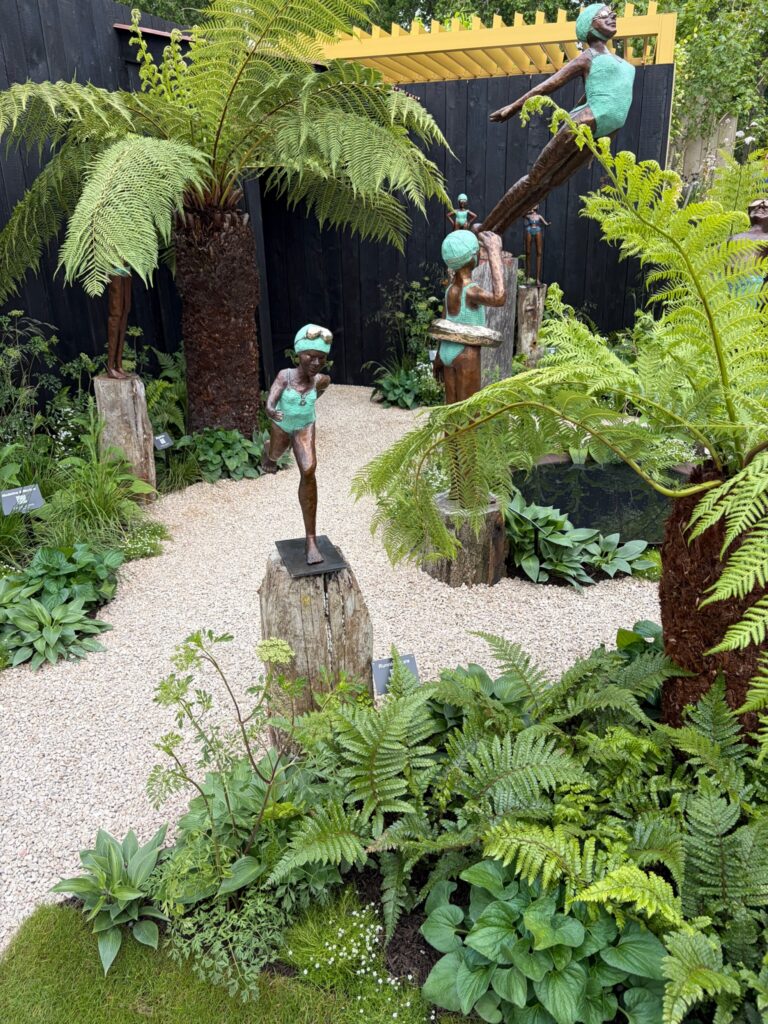
And I couldn’t write a blog without mentioning Dawn Conn Sculptures an amazing award-winning sculpture artist based in Oxfordshire. Her work is inspired by swimmers, a hobby close to my own heart. Wanda, image on the left, was my favorite piece. This figure “epitomises the embodiment of the ‘Wonder Woman’ spirit—undaunted, resilient, and ready for any challenge that comes her way”. The sculptures are made of bronze, and each piece is unique, telling a different story. The exhibit made me smile, connect with my inner child, feel nostalgia and a deep motivation to live by the ocean. One of Dawn’s sculptures is definitely going on future birthday wish lists.
So, what did I take away from the show this year that we can use in our gardens?
- Plant ideas. The list of plants above is accessible and readily available for purchase. Visit the RHS Plant Ideas website to learn more about the planting conditions in which they work well. Seeing plants and how they work in design is a great way to get ideas for your own garden.
- Visual art can really help to inform garden design. Observing plants in nature is important, but the work of the Chelsea Physic Garden inspired me to draw creativity from visual art forms through art exhibitions.
- Color is still key. Color was used thoughtfully throughout the garden designs. Being bold either by using bright color to add interest, or soft colors to create a feeling of calm and contemplation. Some gardeners use the plant colour wheel to select colors that complement or contrast to change the feel of a garden. Gardeners World shares more about how that works in practice Color Wheel in Planting
- Think about your garden as a place to relax, reflect and recharge. So many of the gardens had multiple sitting areas and they all had a place for quiet contemplation. Take another look at your garden and see if you can create that quiet spot.
- As with last year, visit gardens often for ideas and inspiration, and if you are lucky enough to be in the UK next May, visit the show. It’s a definite bucket list item. And a reminder that what is also wonderful about Chelsea is that the gardens are moved to a new permanent home after the show so that others can appreciate their beauty, work, and effort, and the gardens’ life continues.
If you have stories about your garden or want to share your experiences of the Chelsea Flower Show, please send them to info@yourgardenstory.com. We would love to hear from you.
Your Garden Story. Here to help us all become gardeners and make the World greener.